Roger Toll and the Lost Standard of National Parks
No Comments
https://www.terragalleria.com/blog/roger-toll-and-the-lost-standard-of-national-parks/
Summary: A critical discussion of recent and proposed national park redesignations, measured against the standard Roger Toll helped establish for the National Park Service nearly a century ago.
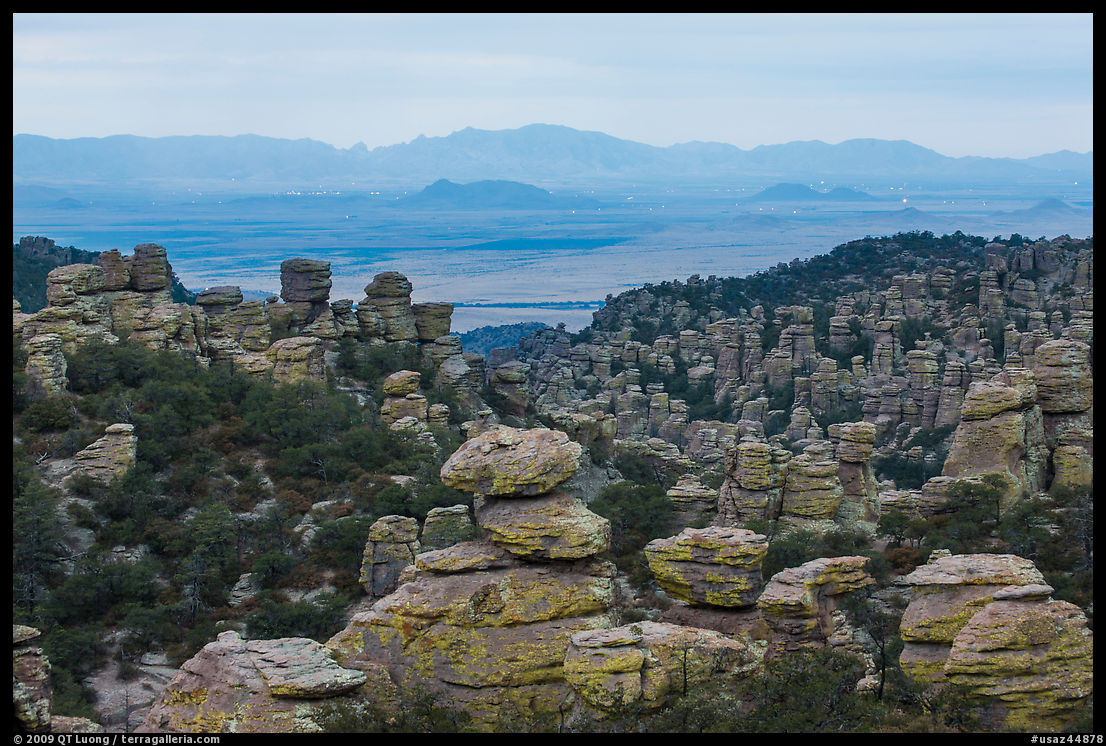
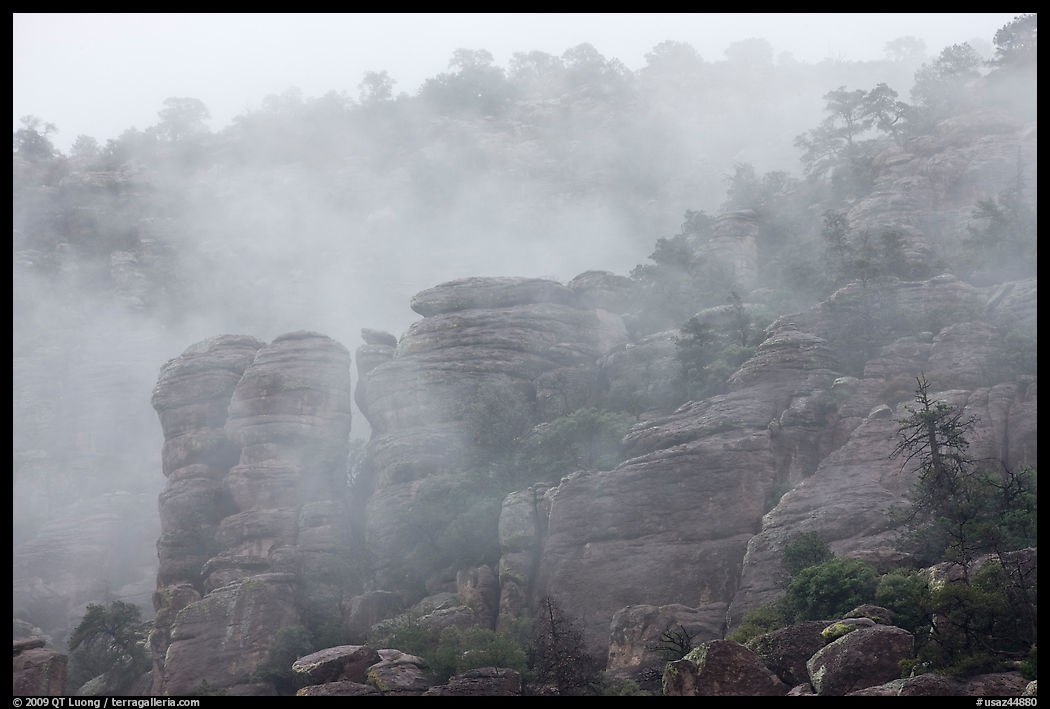
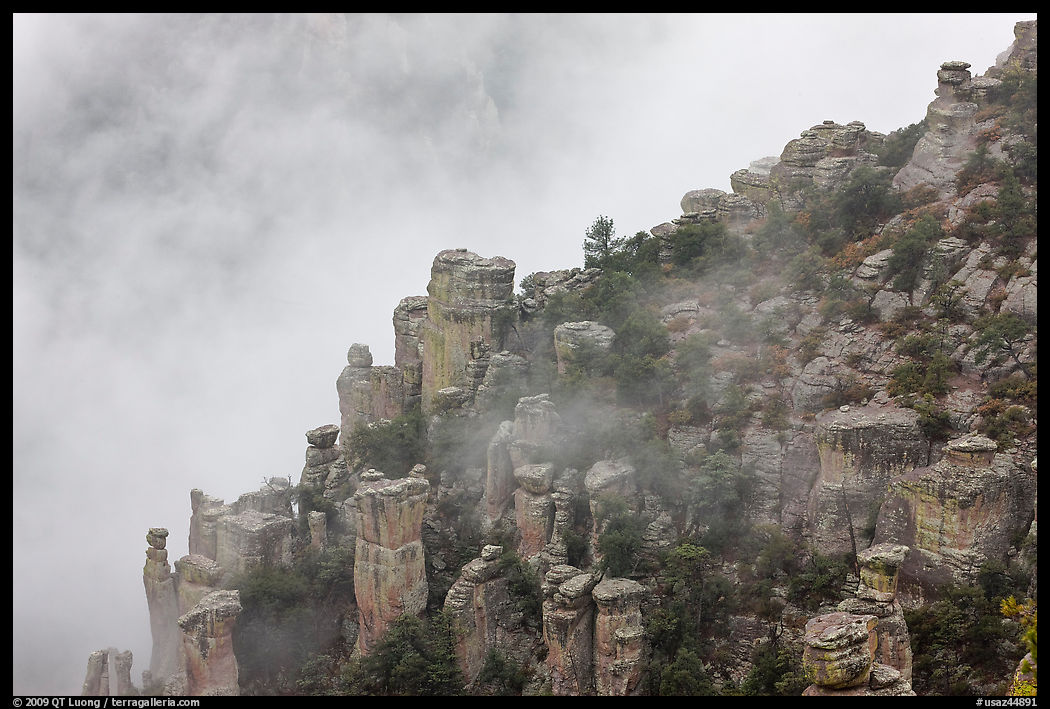
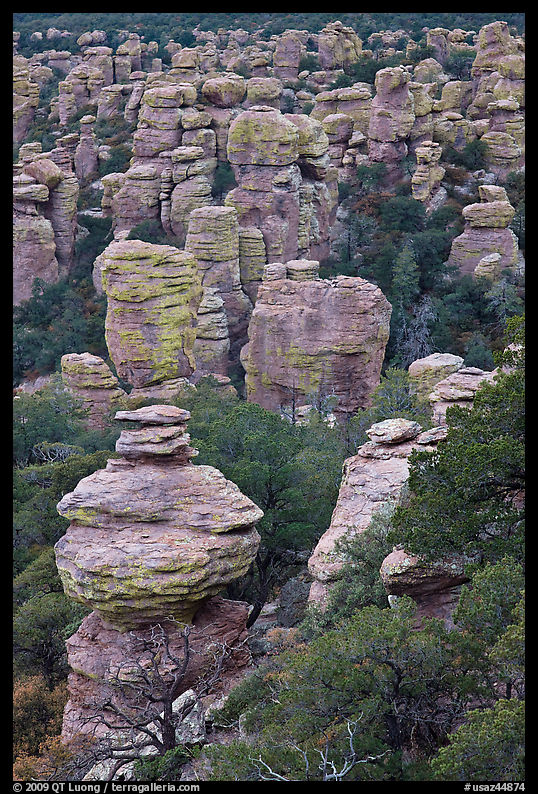
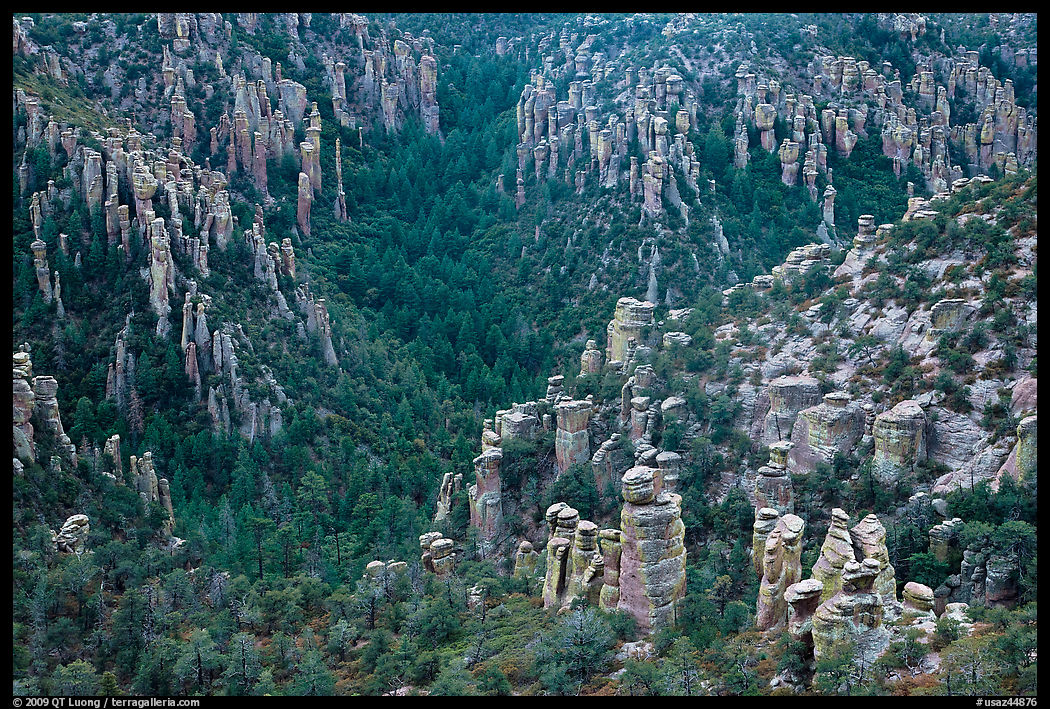
I am sometimes asked what the next national park will be. My bet is on Chiricahua National Monument in Arizona. The Arizona congressional delegation has been pushing for that redesignation for years and through five different Congress. More recently, Ocmulgee Mounds National Historical Park in Georgia emerged a strong candidate to become Ocmulgee Mounds National Park and Preserve, promoted as Georgia’s first national park. In the current 119th Congress, redesignation bills have again been introduced for both, but only the Chiricahua bill has passed one chamber so far. Those two proposals say a great deal about how national park are not viewed in our capital. In both cases, supporters are not simply arguing that these places deserve protection. They are also selling the title itself as an economic asset: a stronger brand, a bigger draw, a way to bring in more visitors, more attention, and more money. Ocmulgee is important as a Muscogee ancestral landscape and archaeological site. Chiricahua is a hidden gem, the most visually striking landscape in the Sky Islands (as illustrated by photos in this section). By comparison, Pinnacles National Park, redesignated in 2013, strikes me as belonging to the exact same class: a place where rock formations create real scenic interest, but not the breadth or scale associated with the major national parks, and one whose new title also carried obvious promotional value. The question is not so much whether they deserve national park status as it is whether the title national park still signifies a demanding national standard, or whether it has become a prestige label routinely pursued because it is useful for regional promotion.
These redesignations are not preservation measures. Units of the National Park System generally operate under the same statutory authorities and management policies regardless of whether they are called a national park, national monument, national historical park, or something else, unless Congress specifies otherwise. Changing the name does not, by itself, create a stronger layer of protection. Some local critics have even argued that redesignation could increase visitation to a relatively small unit that cannot absorb it. That concern does not strike me as abstract. Chiricahua’s infrastructure still reflects its 1930s Civilian Conservation Corps origins, and I remember parking being extremely limited, especially at the top.
The four newest national parks—Gateway Arch in 2018, Indiana Dunes in 2019, White Sands in 2019, and New River Gorge in 2020—were all redesignations of existing units in the National Park System, not newly protected landscapes suddenly rescued from development. Indeed, the last time a national park was created from lands not already in the National Park System was in 1988, with the National Park of American Samoa. That all four were signed into law by President Trump makes the point even sharper. It is not controversial to say that he was not a conservation-minded president. During his first term, he moved to shrink Bears Ears and Grand Staircase-Escalante and attacked environmental regulation. His current administration has weakened or destabilized the National Park Service (NPS), the Bureau of Land Management, and the Forest Service. A political culture that is hostile to conservation can still accumulate “new national parks” precisely because redesignation is not fundamentally about conservation. It is about prestige, tourism, and politics.
There have been several attempts in the past to enlarge Chiricahua National Monument by including the surrounding mountains, which would actually have increased the amount of protected land in the area. In his remarkable work Undiscovered America, which credibly identifies under-appreciated places worthy of becoming our next national parks, Zack/Cora Frank suggests a Sky Islands National Park encompassing the entire Chiricahua mountain range and Fort Bowie. But these days, any extension of protected lands looks problematic, not only for political reasons, but also because of reduced NPS resources. The NPS said that Ocmulgee’s existing national historical park designation was appropriate for a unit whose principal resources are historic. It understood the separate legislative intent to expand the area and pair it with a preserve, but did not support the bill because it would expand the federal estate while NPS is already overstretched with other priorities.
The early National Park Service understood that if the national park title were handed out too loosely, it would stop meaning much. That is the part of the story now being forgotten.
When the National Park Service was founded in August 1916, there were only thirteen national parks. Congress doubled that number before the Second World War. The prestige of the designation encouraged a flood of proposals from communities across the country, many convinced that their own scenery deserved the same status. Hundred of sites were proposed (Wikipedia lists some). That pressure forced the Park Service to ask: what, exactly, should count as a national park, and what should not?
The answer given by the Department of the Interior was demanding. Secretary Franklin Lane wrote to Stephen Mather that the Park Service should seek scenery of “supreme and distinctive quality” or some feature “so extraordinary and unique as to be of national interest and importance.” He warned against lowering the “standard, dignity, and prestige” of the system by including areas that represented their type in less than the highest terms. National parks were not supposed to be merely pleasant, pretty, or locally cherished. They were supposed to be superlative.
To enforce that standard, the Park Service relied on Roger Toll. Toll is not as well remembered as Stephen Mather or Horace Albright, and he is mentioned only once in Ken Burns and Dayton Duncan’s The National Parks: America’s Best Idea, when he was killed in a 1936 car accident together with George Meléndez Wright while inspecting potential international parks and wildlife refuges along the Mexico–United States border. However, he played a crucial role in preserving the meaning of the designation. After joining the Park Service in 1919 and serving as superintendent at Mount Rainier, Rocky Mountain, and Yellowstone, he became the agency’s de facto evaluator of proposed new parks and monuments. Back then, snow closed Yellowstone in the winter. Toll took advantage of that time to travel around the country, inspecting sites and comparing them to the existing parks.
His first major assignment, in the spring of 1928, showed the standard in action. He visited the proposed Ouachita National Park in Arkansas and concluded that it did not measure up. He did not deny its appeal:
it is an attractive region, well wooded, has many clear streams, a number of cascades or low waterfalls and numerous springs … The Ouachita area has considerable possibilities for recreational use and, if developed, would form an important addition to the present recreational attractionsBut he also wrote:
During the past 20 years, all parks that have been created have been of high standard and exceptional quality. During that period, Congress has rejected all areas that were unsuitable for national parks, even though many of these areas have beauty and attractiveness, but not scenic supremacy… … It is the policy of the National Park Service and of the Department of the Interior to maintain the standard established by Congress and to recommend as national parks only those areas which have the most remarkable and superlative scenery in the country or other unique features so extraordinary as to possess national interest of the highest order. … Every national park should be worth traveling across the country to see. If an area is not of that quality, it is not of national-park type. … The Ouachita area does not contain features nor scenery on a scale equal to, nor even approaching, the majority of the national parks that have been established by Congress.Congress pushed ahead anyway, as it has done in some recent cases despite objections from the National Park Service, but President Coolidge pocket-vetoed the Ouachita National Park bill after Congress adjourned on March 3, 1929. For once, the standard held.
Over the next several years, Toll inspected more than a hundred sites. He recommended against park or monument status in most cases. The Park Service, he believed, had as much interest in excluding unsuitable places from the system as in admitting superlative ones. He understood that the integrity of the system depended on restraint. Yet when he encountered something truly exceptional, he said so. He praised the lesser-visited Kolob Canyons as park-quality scenery and recommended that it be added to Zion National Park. They were set aside as a separate Zion National Monument in 1937, and added to the park in 1956.
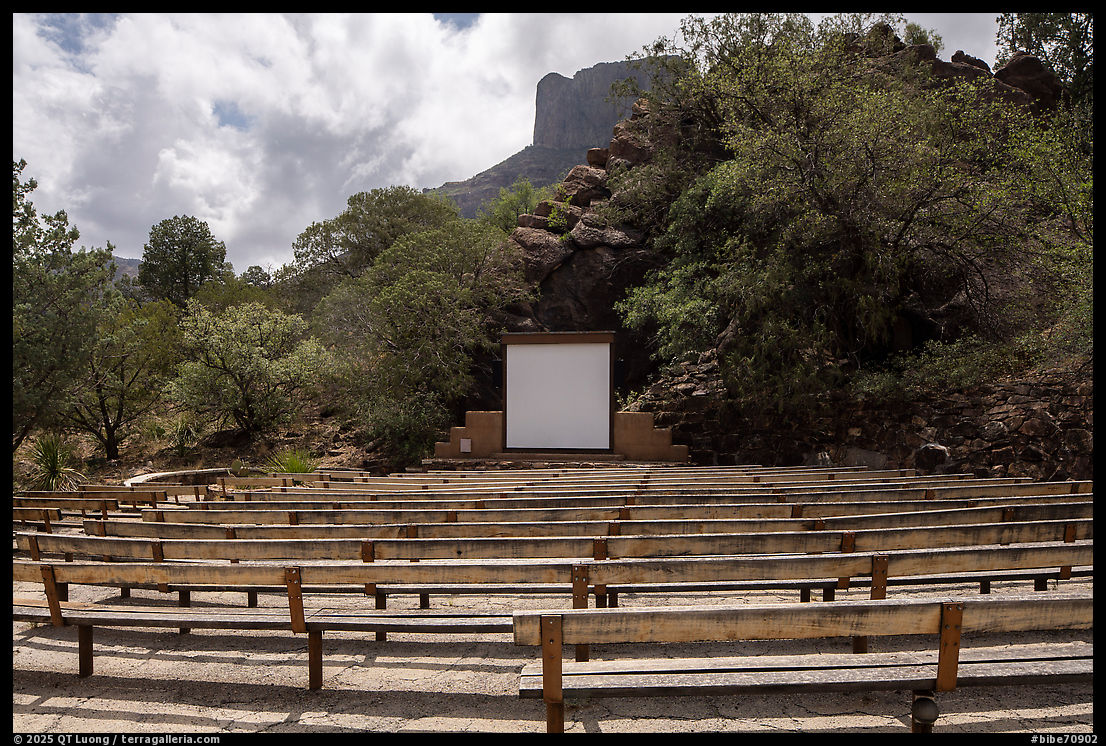
Toll Mountain rises above the amphitheater of Chisos Basin Campground in Big Bend National Park.
Texas offers a particularly clear example of how the older standard worked. By the 1930s, Texans were irritated that their state still had no national park. The 1930 Texas Democratic Convention called on the state’s congressional delegation to secure at least one. Texas wanted a park because national parks conferred status, and states without one seemed somehow left out. Yet the Park Service refused to treat this as a matter of entitlement. Toll inspected seven proposed Texas sites. His job was to decide whether any of them actually rose to national park caliber. He found one that did: Big Bend. He identified the Chisos Mountains and the great Rio Grande canyons as the area’s chief scenic features, described the South Rim (my pick for the park’s photo spot) as “spectacular,” and concluded that Big Bend was “decidedly the outstanding scenic area of Texas.” He concluded that it was suitable for a national park. Congress agreed, authorizing Big Bend in 1935. He found the Guadalupe Mountains to be the second most scenic area in Texas, but suggested that the area would make an excellent addition to Carlsbad Caverns rather than a separate national park. He concluded that the other sites he visited should remain at the state-park level, and indeed most of them were subsequently protected as such. A place could be scenic, interesting, and worth protecting without automatically being pushed toward the highest title.
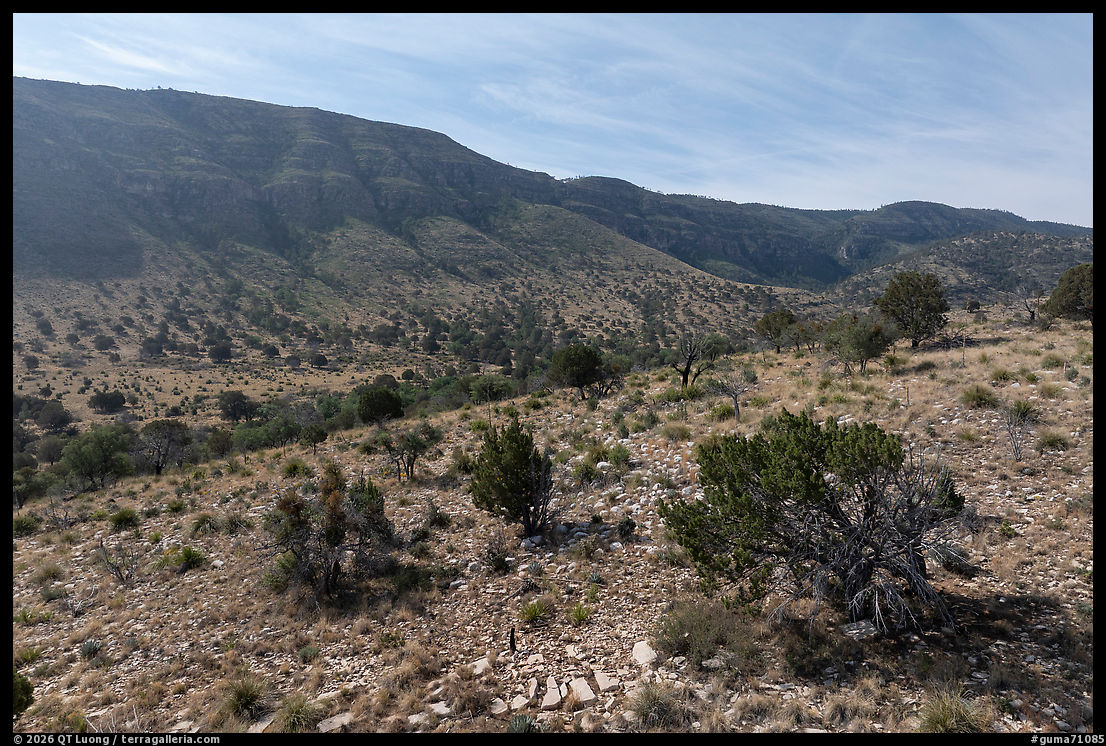

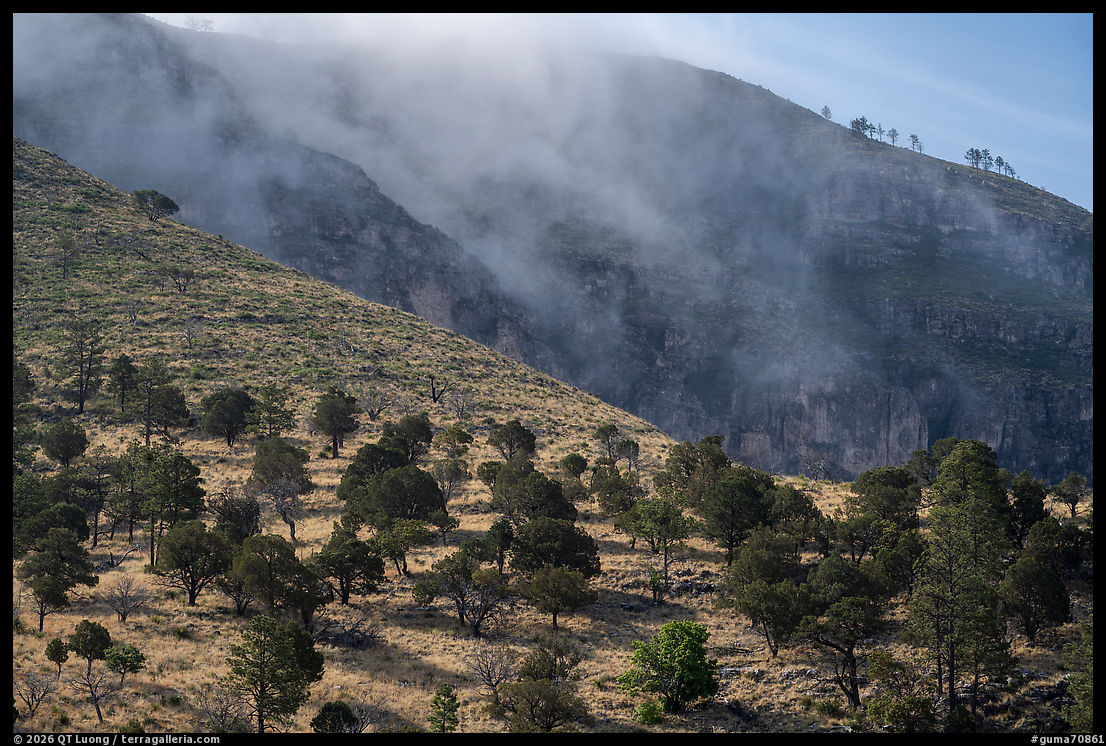
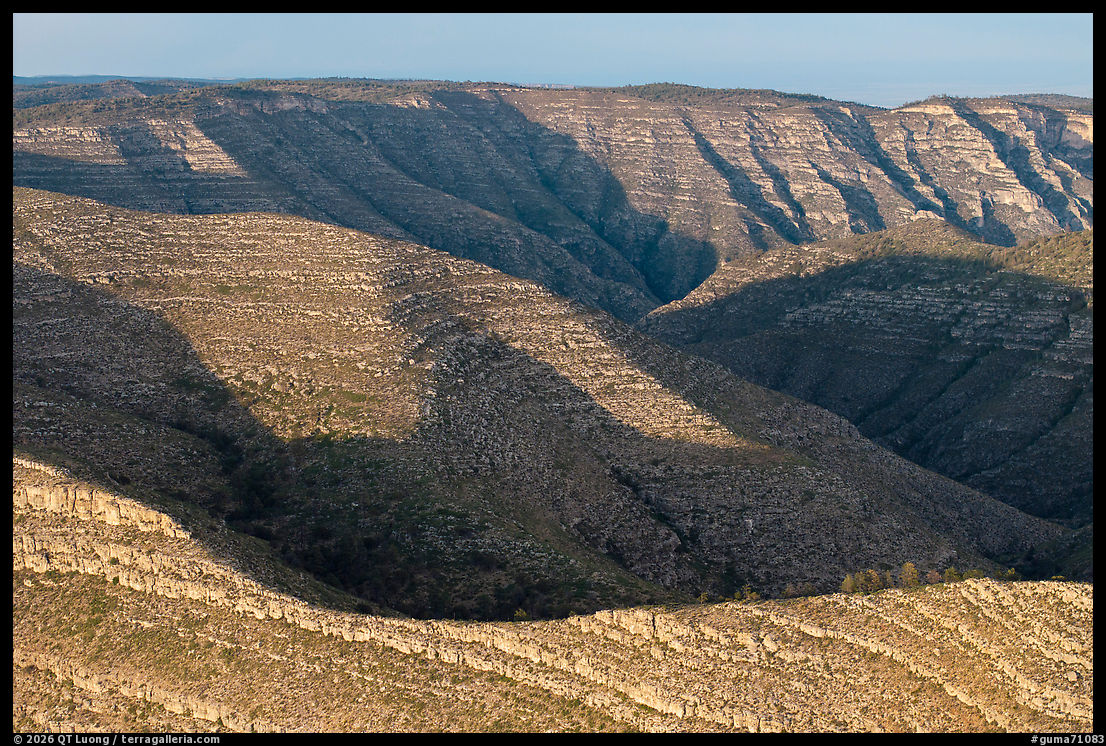
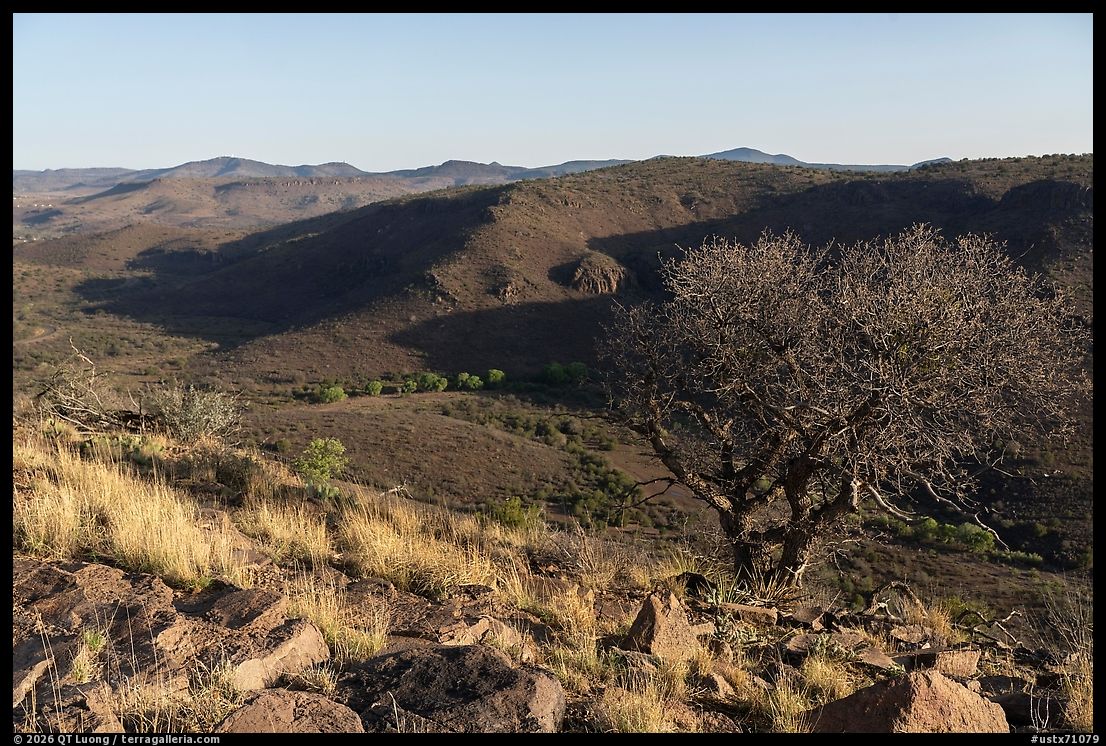
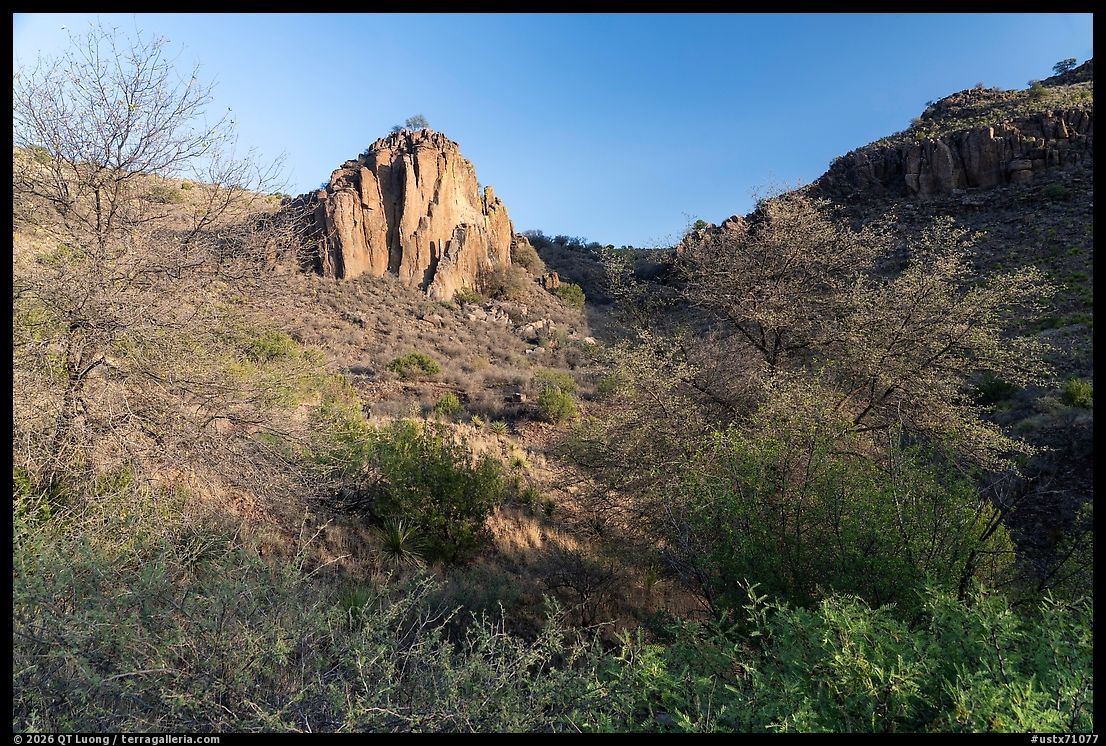
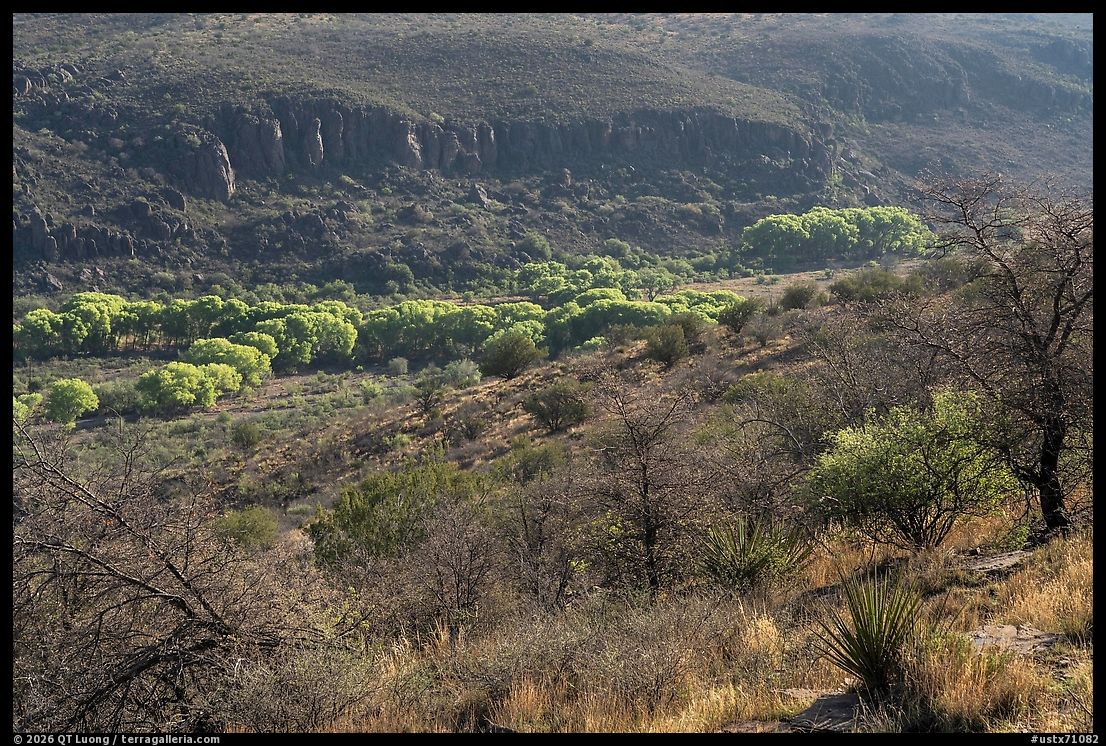
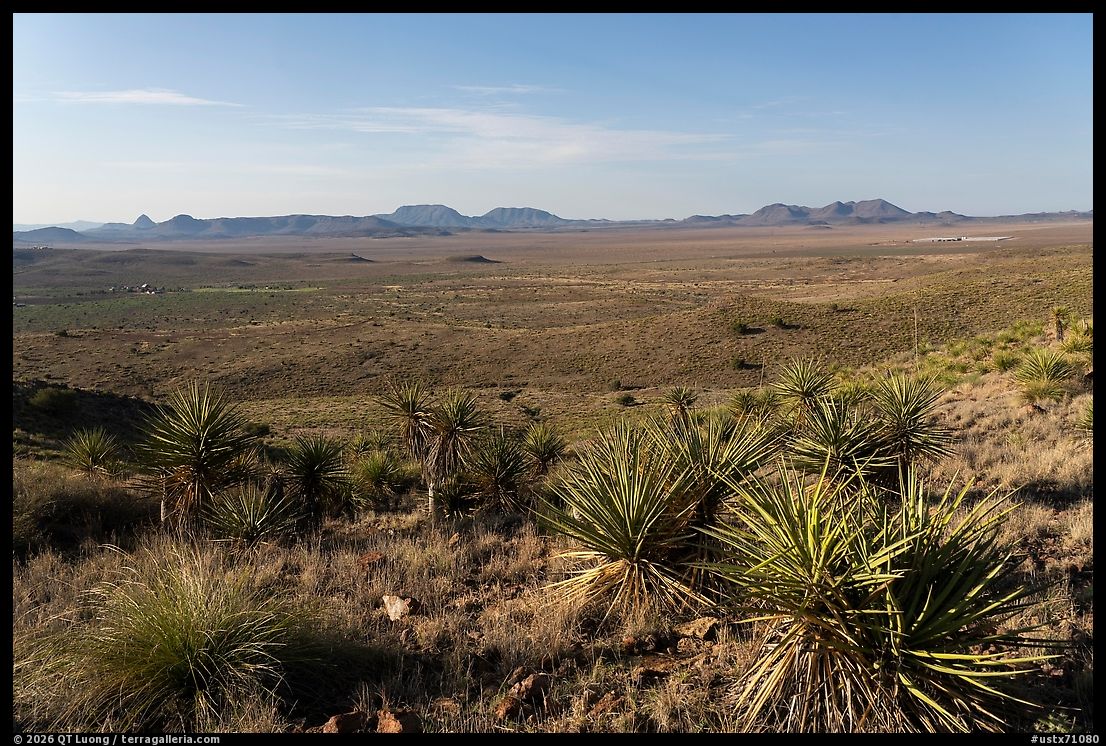
Last June, besides Big Bend National Park and Guadalupe Mountains National Park, I went to Davis Mountains State Park, one of the sites inspected by Toll. The facilities and access were superior to those of some national parks: trails of course, but also a scenic drive, overlooks, a large developed campground, and a lodge. Yet, while the vegetation ranging from cottonwoods to desert plants was quite diverse, the rock formations interesting, and the views wide-ranging, the place lacked the grandeur of the two Texas national parks. El Capitan, Guadalupe Peak, and McKittrick Canyon are generally considered the main features of Guadalupe Mountains. On my last visit to that park, I visited the Dog Canyon area (photos above), which is considerably less distinctive, very out of the way, and does not even have a paved road. I still found its rugged, enclosed, wilderness-like scenery more impressive than Davis Mountains State Park (photos below). That kind of comparison is exactly what Toll insisted on: not whether a place is worthwhile, but how it stands against the best of its kind. Toll believed that such evaluations could not be made in isolation. To know whether a canyon, mountain range, or forest was of outstanding national value, one had to know what comparable places existed elsewhere in the United States. That comparative discipline was the center of his work, and something I can relate to as someone who has made more than 400 visits to national parks. The Park Service treated the national park label as a demanding comparative judgment. The label meant something because officials were willing to say no.
Now compare that seriousness with the recent pattern. The most notorious case is Gateway Arch National Park, redesignated in 2018. The Department of the Interior itself argued against calling it a national park, saying the site was too small and limited in the range of resources and that Gateway Arch National Monument would be more appropriate. Congress ignored that judgment and granted the higher-status label anyway. If a 91-acre urban memorial site centered on one iconic structure can be called a national park over the objection of the Department charged with managing the system, then the old discipline has plainly collapsed.
Indiana Dunes National Park, redesignated in 2019, is more defensible than Gateway Arch, but it still belongs to the same drift. The problem is not that Indiana Dunes lacks value. The problem is that the logic of redesignation increasingly has less to do with the old question—is this place truly in the top rank of its kind?—and more to do with whether the more glamorous label can raise visibility and spending. Once that is the logic, the designation becomes a stronger consumer-facing brand rather than a stricter measure of comparative merit. On the merits, I would argue that some of the other nearby national lakeshores offer more striking scenery.
White Sands National Park, also redesignated in 2019, is a more interesting case because it is undeniably extraordinary in one respect: the gypsum dunes. Yet White Sands also shows how much narrower the threshold has become. Officially, the park contains more than dunes. It also has ancient human trackways. But for the ordinary visitor, White Sands remains overwhelmingly a one-dominant-resource park. The dunes are the experience. The trackways are scientifically important, but they remain inaccessible to the visitor and do not transform the park into a broad, composite place in the sense that Yosemite, Olympic, Yellowstone, or Grand Canyon are composite places. White Sands is often used to rebut concerns about lowering standards: look how beautiful it is. But beauty alone was never the whole point. A place can be visually stunning, fully deserving of protection, and still represent a narrower category than what the term national park once implied.
New River Gorge National Park and Preserve, redesignated in 2020, with its spectacular landscape more varied than White Sands and more scenic than Indiana Dunes, is one of the strongest recent national parks. Yet, the redesignation was framed as an economic engine for southern West Virginia, making the economic motive especially explicit. National-park status was not merely recognition. It was sold as part of a larger strategy to bring dollars, jobs, and a new identity to a region long associated with the decline of coal.
The larger issue is not whether these places have merit. It is whether the national park designation still signifies what it once did. Roger Toll belonged to a Park Service that asked whether a proposed park truly belonged in the company of the system’s highest examples. The current system increasingly asks a different question: will the title help the region, strengthen tourism, and generate more attention? One could object that national parks have always benefited nearby economies. But that is different from redesignating units because the title itself is expected to produce more tourism, more jobs, and more headlines. In the first case, economic benefit is a consequence of protecting an extraordinary place. In the second, the title becomes an instrument. Once that happens, the question is no longer, does this place belong in the same category as the great parks? The question becomes, would the region benefit if we called it that?
The United States has many important places that deserve protection. Some deserve to be historical parks, preserves, seashores, lakeshores, recreation areas, wilderness areas, or even that catch-all, national monuments. There is no dishonor in those titles. The dishonor lies in treating them as inferior labels to be escaped whenever local boosters think national park will sell better. A mature system would protect important places under the designation that best fits their actual character. Roger Toll understood the danger a century ago. If the designation was stretched too far, it would lose its meaning. He knew that the prestige of the national park system depended not merely on adding good places, but on preserving the difference between the extraordinary and the merely worthy. That distinction is now being steadily eroded. The country is not short of places worth saving. It is short of the discipline to call them by the right names. The national park label is being lowered, and with it, the clarity of the whole system.