Terra Galleria Photography

Zion National Park’s High: Observation Point

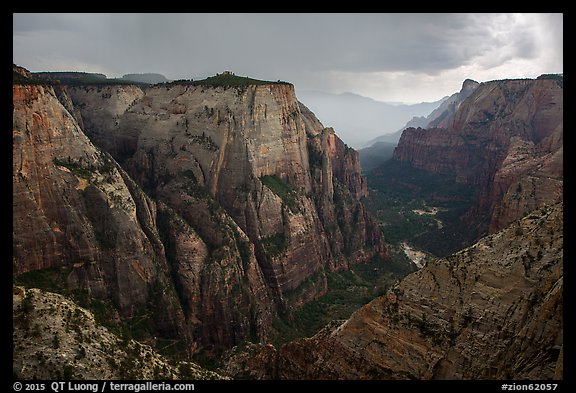
Zion National Park doesn’t have the equivalent of Yosemite’s Glacier Point. Because of the sheer walls surrounding Zion Canyon, there are only two trails leading from the valley floor to the rim. Although lesser known than Angels Landing, the Observation Point Trail is the higher of the two.

Angels Landing Trail is is famous for having exposed sections, protected by chains and guardrails. The steep 5-mile round-trip hike with a 1,500-foot elevation gain ends on a narrow spine that climbs a finlike mountain jutting out to the center of Zion Canyon from the West Rim.

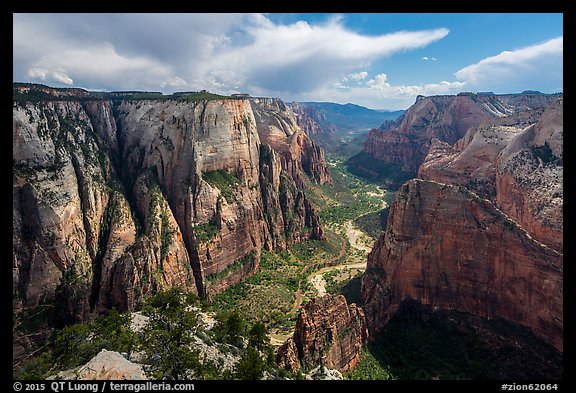
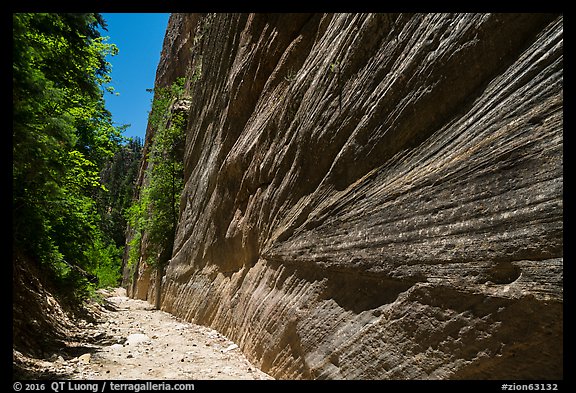
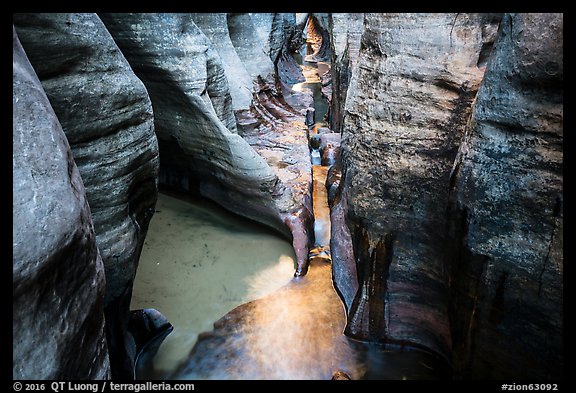
The Observation Point Trail is a bit longer (8 miles round-trip; 2,100-foot elevation gain) leading to an even higher view of the canyon than Angels Landing, which appears as a small ridge (backlit in image above) from there. On the way, I took in a good variety of scenery, including the dark Echo Canyon, with beautiful slick rock formations and a glimpse into a slot canyon at mile 2.

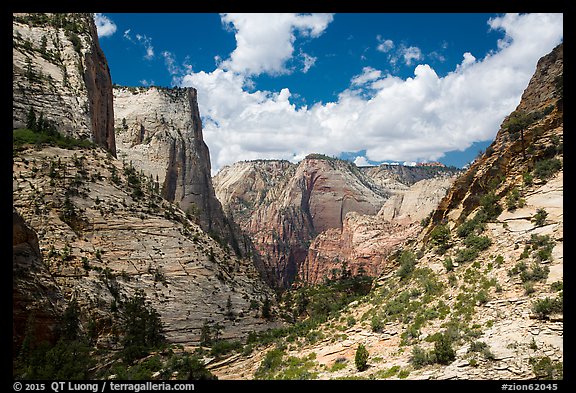
Past that section, views open up over a secondary canyon not visible from the Zion Canyon floor. Then the last section of the trail is a long, level traverse along the rim, which offer a variety of angles that enable you adjust the viewpoint over Zion Canyon depending on the angle of light. I liked the views along the initial section of the traverse in the morning. In the afternoon, the light was more favorable at Observation Point itself.

For the iconic shot looking down Zion Canyon, light is difficult on a clear day. Too early or late in the day, the canyon is in the shade, whereas at midday, the view is backlit. With normal hiking hours, the best is early morning or late afternoon, when one wall is in the shade, but the valley is still illuminated. The more northerly angle of the sun in the summer months helps, as will clouds.

On a cloudless day, the soft and directional light of dawn or dusk would be ideal. However, during the mandatory shuttle season (March to early November, plus November week-ends) you cannot park at the trailhead and either the first shuttle would be too late or you’d miss the last shuttle. Alternatively, you could hike from the Zion Ponderosa Ranch Resort via the East Mesa Trail (which is used to access Mystery Canyon). The trail is about 7 miles RT, with little elevation gain, but much less varied than hiking from the canyon since you’ll be most of the time on a forested plateau.

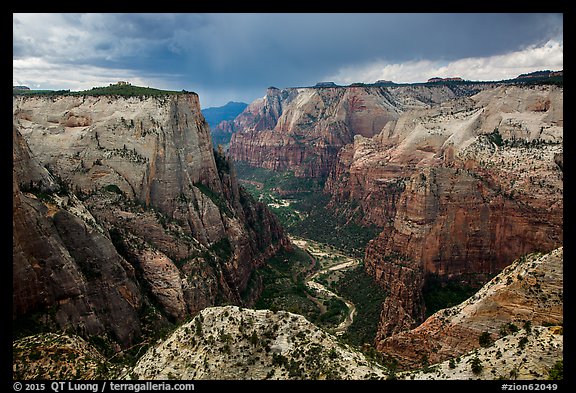
On that June day, the initial plan was to descend the Subway from the top. However, the weather was threatening, and we changed our plans. I thought that changing weather may be promising for Observation Point, even at midday. Although I started the hike from the canyon on a warm summer day, at midday temperatures suddenly plummeted. I barely had time to put my camera gear away when a thunderstorm brought hail to the rim. Half an hour earlier, I was sweating profusely despite using my umbrella for shade. During the storm, despite wearing a rain jacket, I felt chilled. I was glad to have something else than a T-shirt, a lesson learned from previous outings! I waited out the storm, huddled under the umbrella that proved again its versatility, keeping me perfectly dry. Afterwards, breaking clouds put out the quickly changing display of light that I had hoped for, with dark clouds creating a brooding atmosphere.

Zion National Park’s Orderville Canyon: The Narrows Adventurous Sister

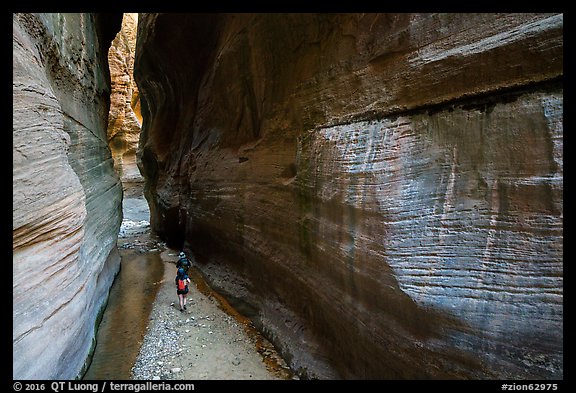
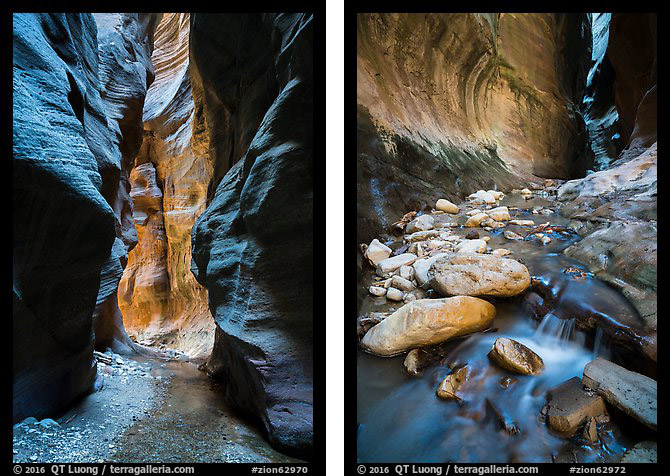
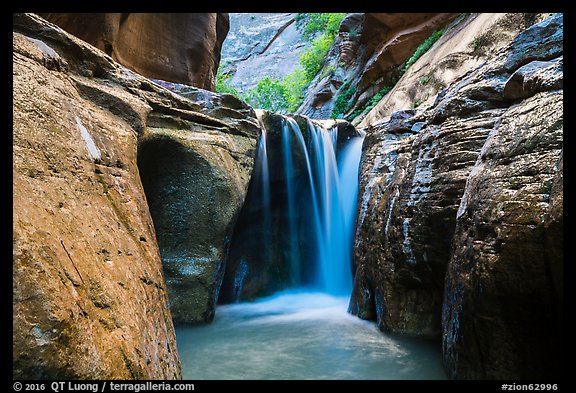
Most hikers into the famous Virgin River Narrows of Zion National Park turn around at the junction with Orderville Canyon, sometimes after taking a quick peak inside. Zion National Park’s most accessible canyon after the Narrows, Orderville is spectacular and distinctive, making it a worthwhile destination in itself for the adventurous hiker.

Exploring the entirety of Orderville canyon is a 11-mile (one-way) hike that offers a striking change of environment as the canyon gets deeper and darker as you progress. If you have only one car, a Springdale outfitter can shuttle you. From Zion National Park’s east entrance, turn north on North Fork Road after 1.7 miles, then continue for 11.5 miles to the trailhead. A 4WD shaves 2 additional miles. You start on a verdant plateau, and walk on a dirt road and a trail, before descending into the canyon via a steep landslide (mile 3). For the next 2 miles, you hike a dry and open canyon where wide washes alternate with narrows and tall walls.

At Zion National Park’s boundary (mile 5), the canyon becomes more narrow, and you encounter the first major obstacle, a boulder that creates a 15 feet drop, which can be rappelled or downclimbed. With just two tall obstacles and several smaller ones, Orderville Canyon is the easiest of the technical canyons, or one of the most difficult of the hikes.

The canyon, which so far has been dry, becomes more wet as you progress. Starting at Bulloch Gulch (mile 6.7 approximately) a stream flows permanently on the canyon’s floor, adding much character, diversity, and lushness to the place.

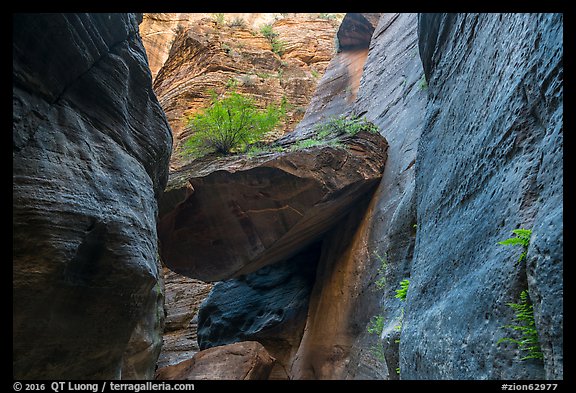
The second major obstacle (mile 7.3 approximately) is a boulder that creates a 10 feet drop, with a second boulder suspended above it called the “Guillotine”, on which a small tree grows.

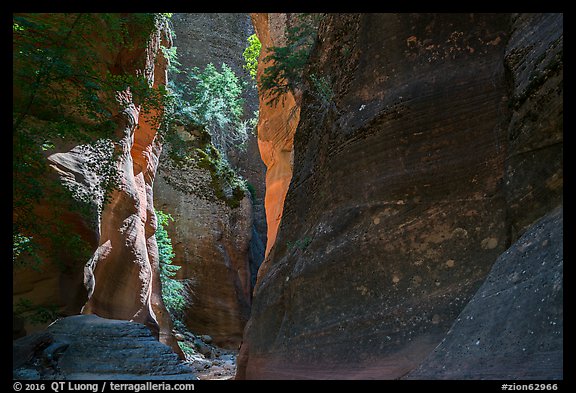
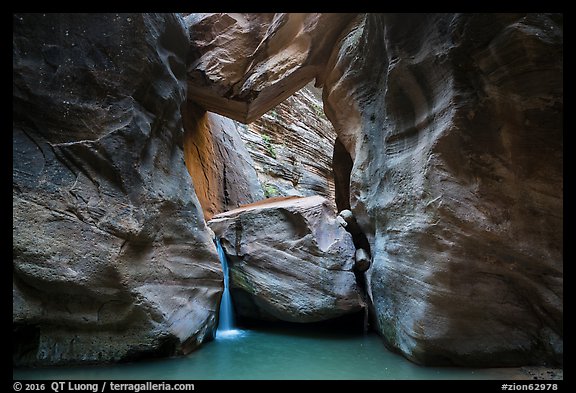
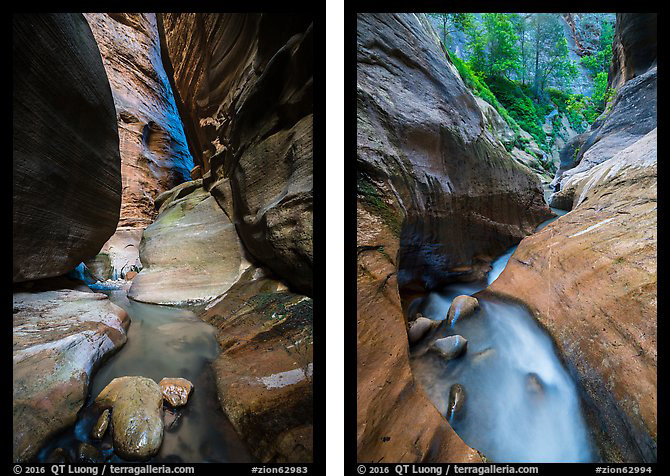
The last part of Orderville has the most character. It is as tall as the Virgin River Narrows, more narrow, steeper. The watercourse is also much more narrow than the Virgin River, and adorned with cascades and short waterfalls. To me, those waterfalls are what distinguishes Orderville from other canyons. The fun progression consists of sliding, down climbing, scrambling, wading, and occasionally swimming. It is all pleasantly refreshing on a warm summer day, but in colder seasons, a wetsuit is required. For photography, protecting your camera with a dry bag is almost a necessity, and a tripod will allow you to smooth the water in long exposures.

The last obstacle (mile 8 approximately) is six-foot tall Veiled Falls – best descended on the south side using moki steps carved in the rock, as jumps have resulted in many twisted ankles. This is the official turn-around point for hikers coming up the canyon from the Virgin River Narrows, as trips upstream of that point require a canyoneering permit.

Orderville Canyon joins the Narrows at mile 8.5. The Riverside Walk trail is at mile 10, and the end of the road at mile 11. Given that the most interesting section of Orderville Canyon is by far the last mile and half, for a plan with easy logistics, you could explore that section from the bottom, as the obstacles are easily climbed. For something different, you could even travel the whole canyon up one way, resulting in an elevation gain of about 2,000 feet.

The Whole Enchilada: Zion National Park’s Subway from the top

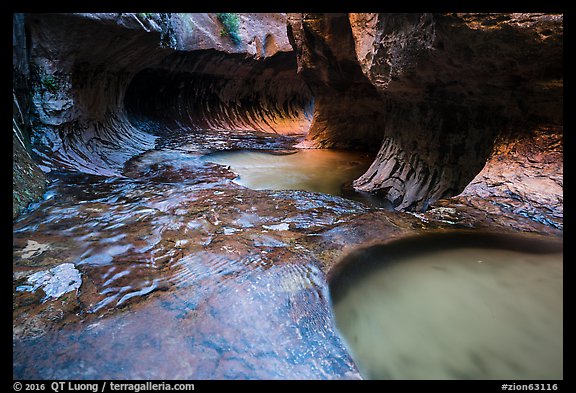
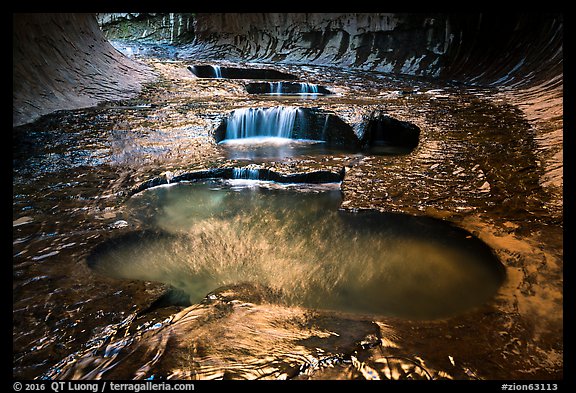
The Subway is a superlative backcountry area in Zion National Park which has become world-famous. The common way to visit the formation is via a hike from the bottom of the canyon. However, this approach misses some of the most beautiful sections of the canyon. In this post, I’ll take you through the entire length of the Left Fork: there is much more to it than the famous curving section reminiscent of a underground train tunnel.

I had my sights on the route for a while, but my wife objected to me going canyoneering solo. Last year, a small group of family and friends gathered, and we descended a few canyons. Due to the popularity of the Subway, by far the most sought-after backcountry outing in Zion, permits are difficult to obtain. They are distributed by a complicated lottery system which opens several months in advance. We had secured spots, but threatening weather compelled us to abandon our plans. Instead, I hiked to Observation Point, and on the way was caught in a hailstorm. You do not want to be in a canyon when there are risks of flash floods!

This year, instead of the regular start of the Subway, we opted to reach the Left Fork about half-a-mile upstream, adding to the itinerary the section of canyon known as “Das Boot” (story of how it got its name). The last of the four miles of approach was entirely cross-country, with only a few very faint and short sections of user trails. I marveled at the fact that we were able to get exactly to the start of the route based on a topo map, and a few paragraphs of textual description amongst terrain which essentially all looks the same.

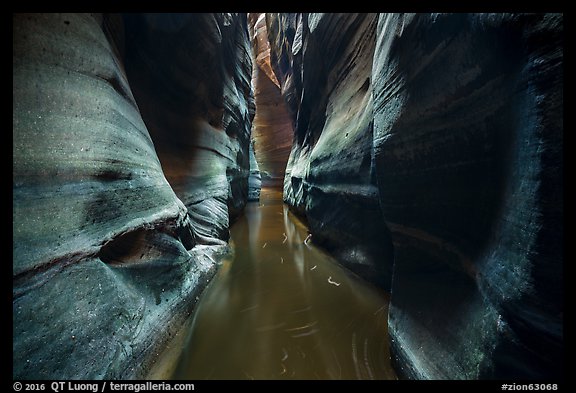
Das Boot turned out to be an impressive canyon, dark, narrow, with tall sculpted walls which make you feel you are moving deep in the earth, in serious and committed-looking canyoneering territory. There was quite a bit of water, and it was cold, so cold that my hands hurt, although a 4/3 wetsuit kept my body warm enough. I swam on my back so that I could keep them out of the water. The subterranean conditions favored growth that colored the walls with an exquisite green. The canyon is full of obstacles such as chilly pools and logjams. By keeping eyes fixed on them, it would have been easy to miss looking upwards to see an amazingly lighted wall near the end of the narrows.

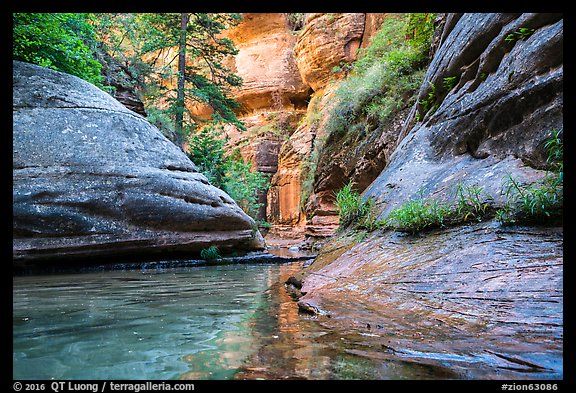
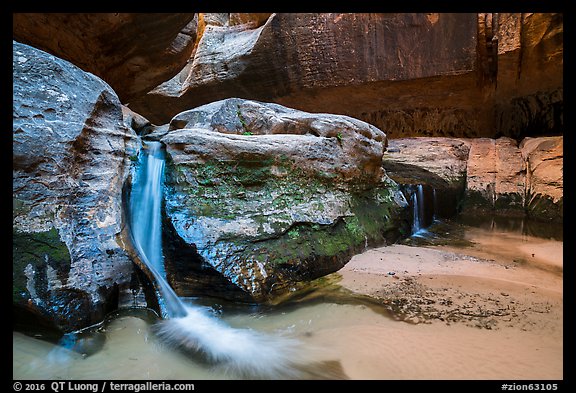
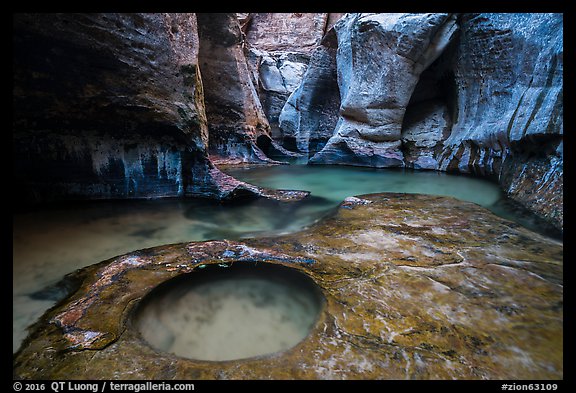
By contrast, in the first part of the Subway, the canyon is open and enlivened by lush vegetation. The progression consists mostly of hiking, with a mix of short swims (doable without a wetsuit in summer), three very short rappels, and even a jump into water that make for a fun outing. That section would be accessible to any adventurous hikers in good physical condition and with proper equipment, provided that someone in the group is knowledgeable with rappelling – note that it would have to be friends, since guiding is not allowed by the NPS in Zion. The water in the canyon, fed by springs, is amazingly clear and not tool cold, as opposed to the potholes usually found in deep canyons, which can be murky and frigid.

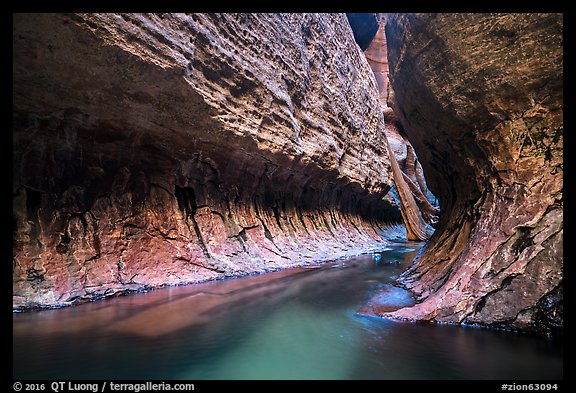
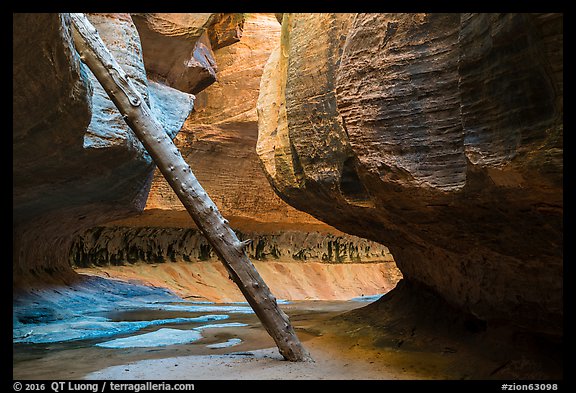
Soon, the canyon becomes a narrow corridor of otherworldly beauty, full of alcoves and pools. After a sharp turn, you come to view of the “North Pole”, a log curiously propped against the canyon walls. It was carried by a flash flood a long time ago, which should give you an idea of their power. That section is only a few hundred yards long, but it is several times the length of the “Subway” proper! Regardless of the way one travels the Subway, there is much more approach than canyon hiking, but the narrow parts of the canyon makes it well worth it.

A final rappel down a cliff brings you into the “Subway”, and after crossing a deep pool, you join the site that is reached by the popular (8 miles RT) hike from the Left Fork trailhead. That cliff is what makes the upper part of the Subway unreachable from the bottom. The “Subway” may indeed be the most beautiful section of the Left Fork, but having now traveled the canyon both ways, I feel that the traverse from the top is much more varied and satisfying than the hike from the bottom. If you want to experience it yourself, I highly recommend the book by Tom Jones.

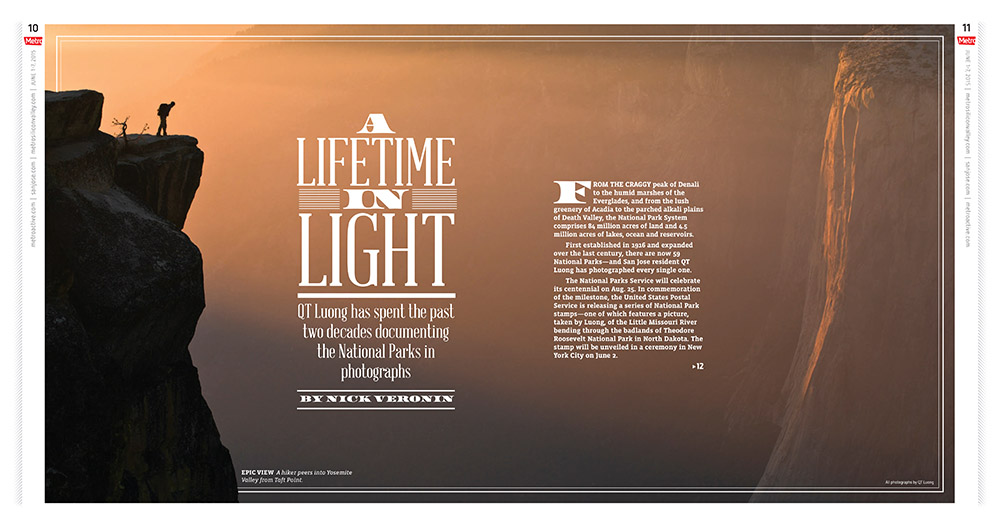
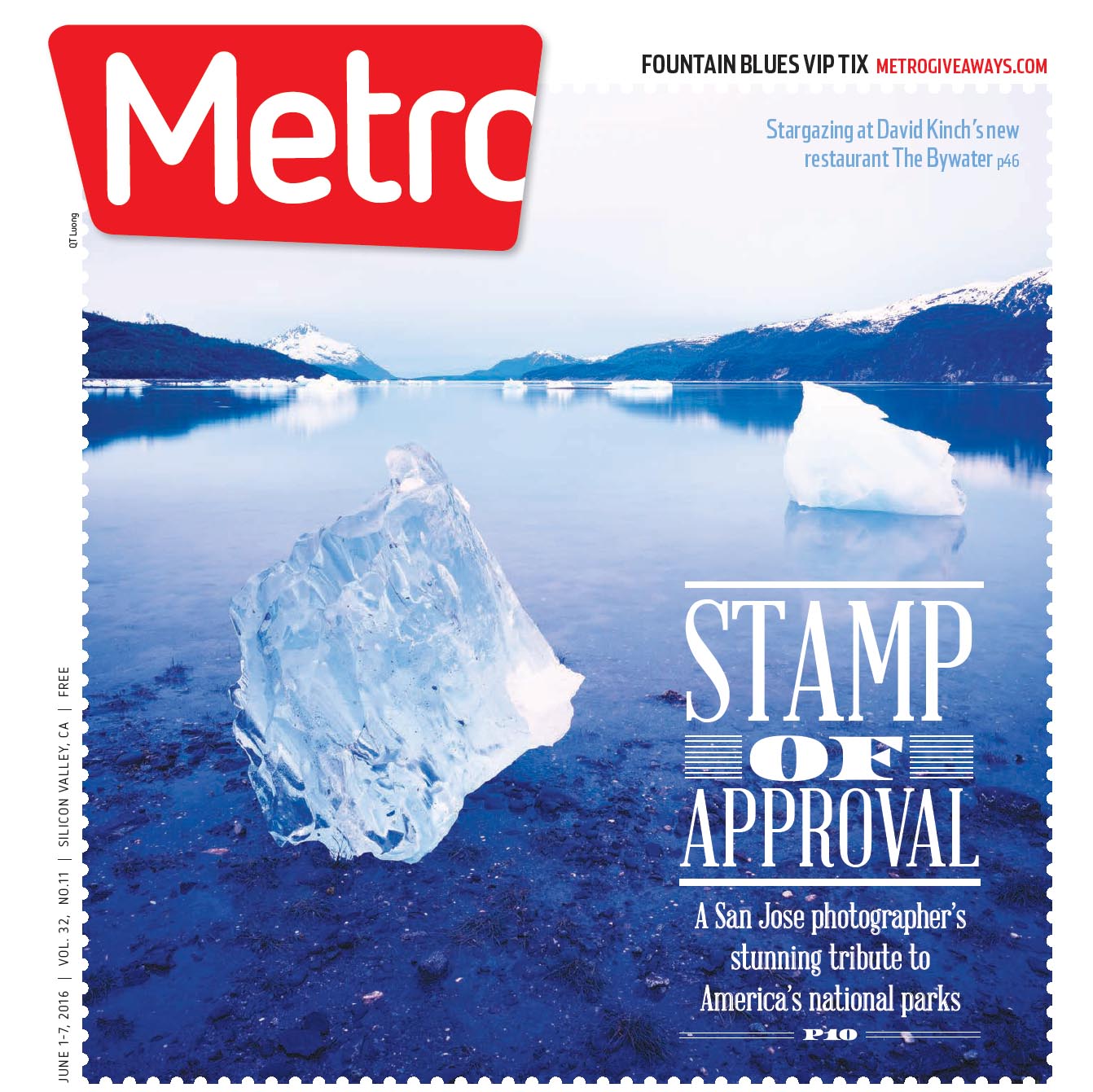
Metro Silicon Valley Cover Story features QT Luong

On the occasion of the release of the USPS stamps celebrating the NPS Centennial, Metro Silicon Valley ran a cover story about my photographs of the national parks.

There is an adage: “all news is local”. The other press coverage for that stamp of Theodore Roosevelt National Park is from North Dakota papers, for example the Dickinson Press which has as a bonus my appearance in the Ken Burns and Dayton Duncan film.

Metro Silicon Valley is a 30-year old, widely circulated, alternative free weekly newspaper with a particularly strong coverage of the local art scene. I was honored because the paper covers photography more sparsely than other arts. From what I saw, the last story about a photographer was a May 2014 review of Carleton Watkins exhibit at Stanford – see also my notes on that exhibit.

Here are my recollections about the cover image, as excerpted from Treasured Lands.

Because of persistent drizzle, the daybreak felt dark and gloomy. After loading our double kayak onto the tour boat, we gathered our gear into large clear plastic bags to protect it from the rain. Upon drop-off, we stuffed the gear back into the double kayak. It is surprising how much you can fit onboard: two weeks worth of food in bear canisters, a tent each, and three camera systems. Starting to paddle in the late morning, we took our first stop only at dinnertime, cooking there so that our final camp would not have bear-attracting smells. We initially expected to stop when it would get dark, but at those latitudes, it doesn’t get dark. We kept paddling, taking advantage of the advancing tide, and of a break in the rain until we reached our destination, a grassy flat north of the mouth of McBride Inlet, at 2 AM. I had spotted that area on the map as a place with great photographic potential because of its location next to a narrow inlet in which the McBride Glacier calves. Besides the direct view of the front of the glacier, I thought that the icebergs originating from the McBride Glacier would likely be stranded in great numbers on the nearby flats. By the time we had finished setting up camp, it was 3 AM, but I couldn’t go to sleep despite the long day of effort. I felt excited by possibilities and energized by the clear sky and the lingering half-light of the Alaskan summer that I could see growing brighter. The world felt so beautiful and just invited exploration. After being awake for almost 24 hours in this intensely wild and pristine place, I felt myself in a curious state of heightened awareness. I wandered around the tidal flats until I saw a translucent iceberg lying more than a hundred feet away in water. The water was very shallow, and I understood that with the fast rate at which the tide was receding, if I waited, it would be totally out of the water. I left my camera bag on the mud and waded into the water with just the camera mounted on a tripod, the focusing loupe and dark cloth around my neck and a film holder in my pocket. The iceberg was kind of small, around 3 feet tall, but by getting very close to it, using a wide-angle lens, I made it a prominent feature in the photograph, since it was the element drew me in.

The Wonder of the National Parks at Night

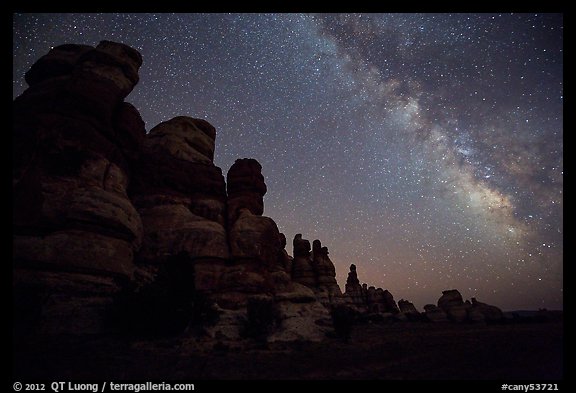
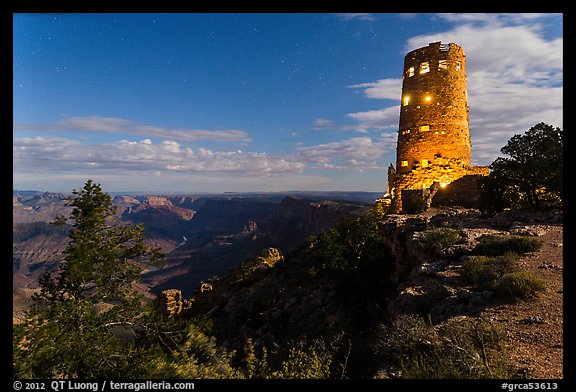
The rare combination of wildness and accessibility makes the national parks a great place to experience a connection with the natural world and its vastness. At night, although darkness obscures land features, the night sky gives us an even clearer sense of the immensity of the universe.

Recently, the National Park Service, under the motto “Half the Park is After Dark” has begun to view night skies as a critical resource, and has undertaken to educate visitors through programs that emphasize appreciation of the natural and cultural value of night skies. And if you don’t attend a ranger-led program, national parks are low crime areas, making wandering at night safe, while the infrastructure of roads and trails (some of which are paved) alleviate the risk of getting lost.

If you live in a urban area – like most people – you may never have seen the Milky Way in all of its glory. Many parks are situated in remote locations faraway from large cities, resulting in dark night skies free of light pollution. Thousands of stars, stretching from horizon to horizon shine brightly and vividly.

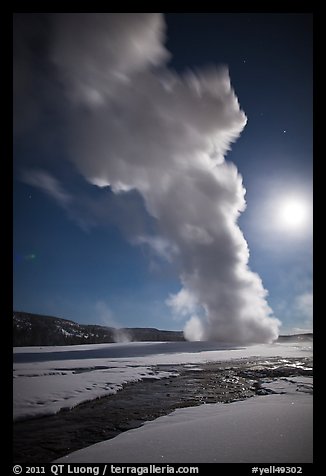
The increased visitation in the popular national parks mean that at day you might find yourself in a crowd. While it is great that the national parks have an audience, it may not be what you had in mind when visiting. The solitude and quiet of the night restores some of the sense of awe that I experienced during my initial visits. For instance, at Devils Garden in Arches National Park, the parking lot is usually full during the day, and the trail packed, but I had the place to myself when I came at 11pm. Likewise, at Yellowstone’s Old Faithful – the quintessential crowded national park spot – when me and my friend came to witness an eruption after dinner during a winter visit, we did not see any other soul.

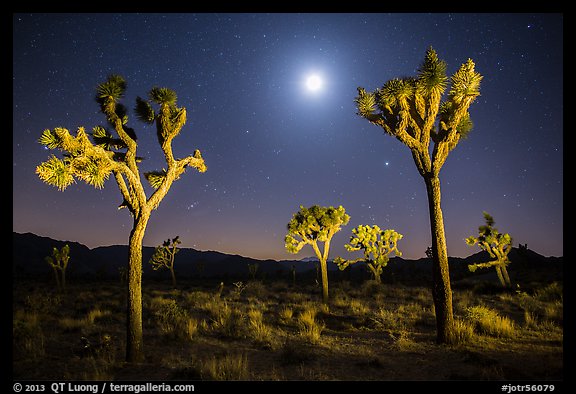
Because of the variation in phases of the moon, no two nights are identical. On a full moon light, some colors are visible whereas on a moonless night you might not see your own hand, but the stars will shine most brightly above. Although too dim to appreciate by eye, a moonset will create the same warm colors as a sunset, and the camera will capture them. In addition to those changing light conditions, the photographer has the opportunity to light up relatively large scenes in myriad ways, unlike during daytime when the brightness of the sun overwhelms any artificial lighting, except for the closest subjects. The sky is the limit, indeed.

I hope that this gallery of images from around the country, all from my upcoming book Treasured Lands, will inspire you to linger at night during your next national park visit.

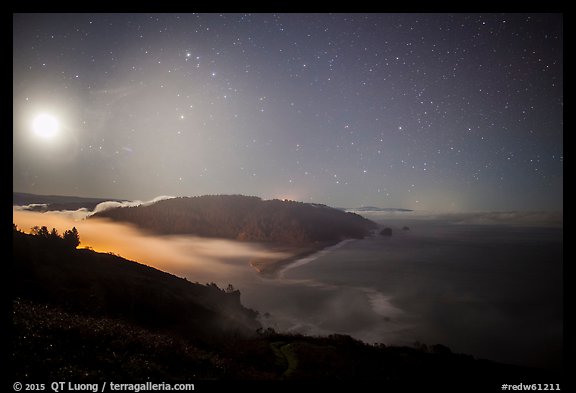
Redwood National Park

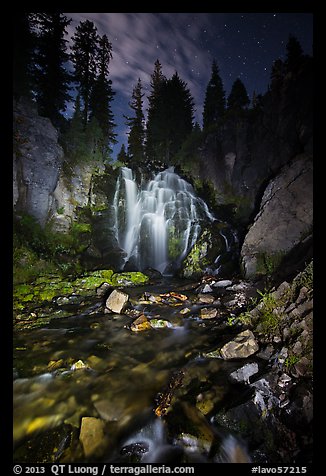
Lassen Volcanic National Park

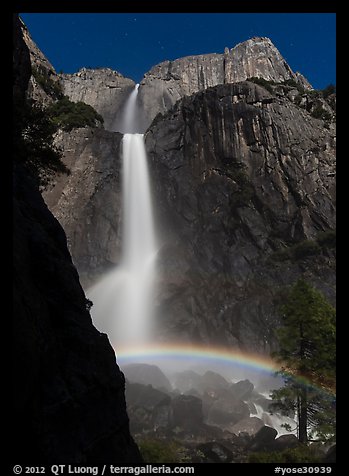
Yosemite National Park (Photographing Moonbows)

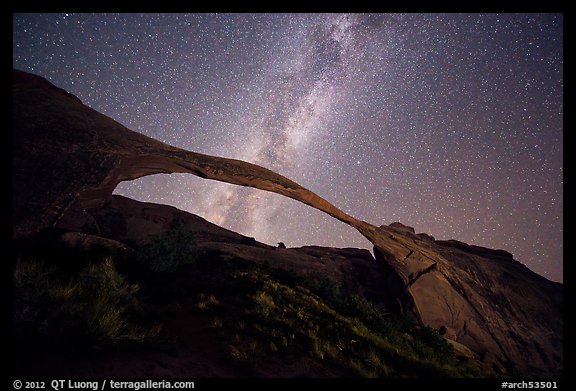
Arches National Park (Southwest tour under changing moon phases)

Canyonlands National Park

Grand Canyon National Park

Joshua Tree National Park

Yellowstone National Park (Yellowstone in Winter)

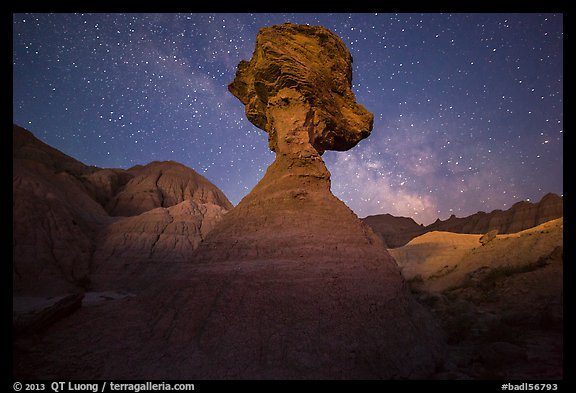
Badlands National Park

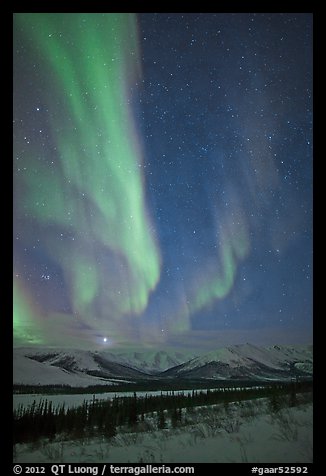
Gates of the Arctic National Park (Photographing the Aurora in Alaska)

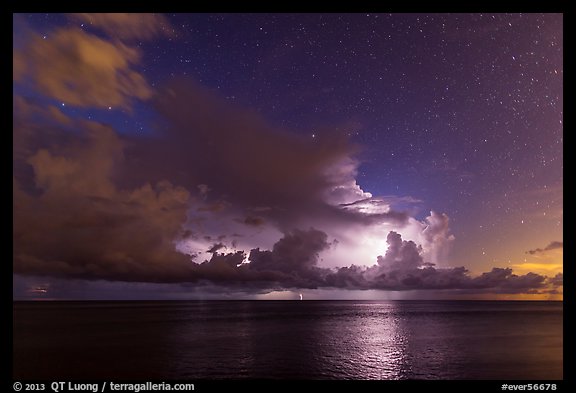
Everglades National Park

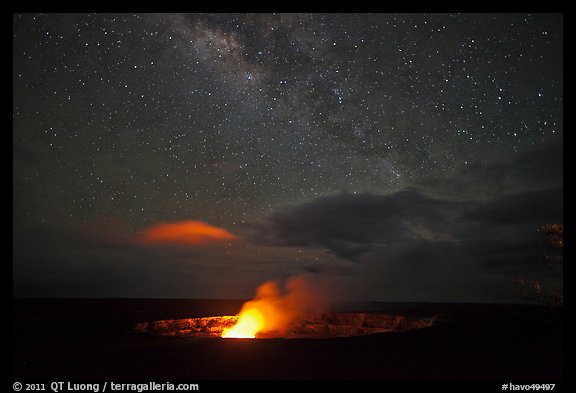
Hawaii Volcanoes National Park (Halemaumau Vent)

See all my night images of the national parks

The Best Introduction to Pinnacles National Park

Wondering where to start in our 59th national park? The most spectacular views in Pinnacles National Park are on the High Peaks Trail which is fairly strenuous. However, the best introduction to the park is along a loop which is quite easy (1.5-mile loop; 250-foot elevation gain) despite the great diversity of terrain encountered. A hiker in decent shape can easily combine both trails for an excellent overview of what makes the park so unique.

The main entrance road on the east side is always open. It winds for 5 miles to the Bear Gulch Trailhead, which has room for only a dozen cars, although it is the most popular trailhead in the park. On the first 0.3 miles, the Bear Gulch Trail passes large moss-covered boulders (best photographed in soft light). The trail then splits into the Bear Gulch Cave Trail to the east and the Moses Spring Trail to the west.

Pinnacles National Park is one of the best places to see talus caves. The caves were formed by volcanism, plate tectonics, and erosion, which create deep, narrow gorges filled with boulders that have fallen from the cliffs above and create cave structures complete with ceilings, passages, rooms, and even a seasonal waterfall.

The Bear Gulch Cave, seasonally closed for bat nesting, is the most spectacular of the two talus caves in the park. The deep and narrow space reminds me of a slot canyon. Since talus caves are not really subterranean, I often find dramatic play between light and dark there. Although the trail is paved, reducing the risk of tripping, the light there can be dim, making a tripod (and a flashlight) necessary. My preferred section for photography is the flat stretch just before the stairway. In winter, the sun never reaches into the cave, making it possible to photograph all day.

The Moses Spring Trail offers a good view of rock formations, including cliffs and giant collapsed walls in the gulch. Interesting subjects include waterfalls that form after the rain and poison oak leaves that turn into a surprising array of colors in October and November.

The two branches of the trail meet near Bear Gulch Reservoir, the only year-round body of water in the park. Early morning is good for photographing well-lighted pinnacles reflected in the calm waters of the reservoir from the dam and from the trail that skirts the reservoir on its way to Chalone Peak.

The sun disappears behind a high ridge before sunset, so sunset works only if the sky has nice clouds. If not looking north toward the brightly lit San Francisco Bay Area, the night sky of the park is quite dark. I sat for most of a warm summer night on the dam to try and capture Perseid meteors. Since meteors travel too quickly to react in time, I took repeated exposures through the hours hoping to catch one during a long exposure. A camping lantern placed at the end of the dam lit up the rocks, which would otherwise be rendered black on a moonless night.

The Bear Gulch area is one of seven locations in Pinnacles National Park described in Treasured Lands, from which the text of this blog post is excerpted (High Peaks was another).

View more images of Pinnacles National Park

New Series: “The Visitor”

While my nature photography celebrates mostly the wildness of the landscape, I have also been examining the national park idea through The Window and The Sign series. They pay homage to the work of the National Park Service via some of their most archetypical infrastructure, which have now spread around the world. In addition to those constructs, the story of the national parks would not be complete without the people who visit them.
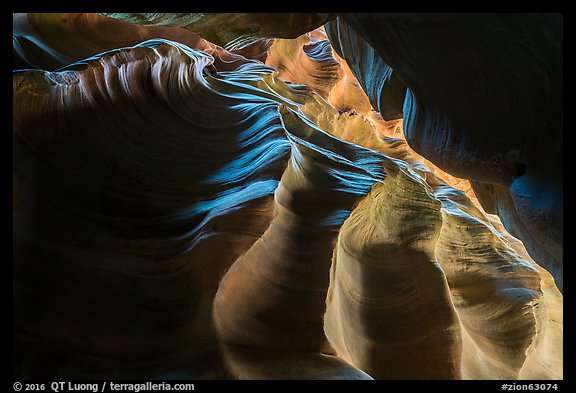
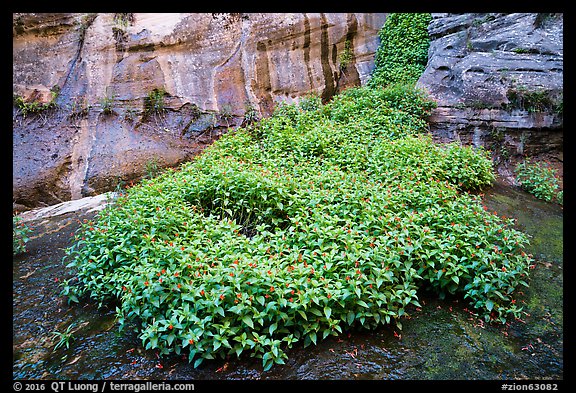
Unlike in previous series, the landscape in The Visitor is devoid of man-made structures. The lone human figure, dwarfed by its immensity, appears to have wandered freely to its position, at least immersed in nature, free of the separation and mediation implied in the previous series. The visitor is me, self-photographed with a remote while not looking at the camera, in contrast with modern selfies as well as with the 19th century gentry squinting into the Claude Glasses (explanation) evoked by The Window. That identity, as well as the consistency of the position and clothing, suggests a performance directed towards the viewer, which is a form of intervention in the landscape, just like the national park itself.

The series references aesthetics that have influenced the development of the national parks: Romantic paintings, and early survey photographs, as well as the photographic practice common to National Geographic and other travel publications to have subjects wear red jackets.

Each of those series uses a photographic technique which isn’t obvious. To photograph The Visitor, I used an intervalometer instead of an extended self-timer, as this gives me several chances to get the right pose and position without having to run back and forth to the camera – which is often distant enough that wireless remote releases don’t work reliably.

See entire series

Photo Spot 59: Pinnacles National Park – High Peaks Trail North

Five years back, I posted the national parks photo spot series of blog posts, each describing a favorite location in each national park. Since then, Pinnacles was designated our 59th National Park, so here is an update to the series.

Pinnacles National Park, our latest, is a little-known gem that rewards with a diverse terrain that fosters exploration. I find it remarkable that such an isolated, wild, and quiet area exists only 1.5 hours away from the metropolitan San Francisco Bay Area. A variety of subjects await your exploration: spectacular rock formations, expansive vistas, rare talus caves, a reflective body of water, an abundance of wildflowers in the spring, and dark skies.

Pinnacles is one of the smallest national parks at 41 square miles, but because there are no roads crossing through it, you have to explore on foot, making it seem larger. The trails in the park range from easy to strenuous. There are few interesting views from the roads leading to the east and west entrances, which are connected only by trails. I recommend a loop starting from the Bear Gulch Day Use Area, up the Condor Gulch Trail, down the High Peaks Trail, with a detour via the Moses Spring Trail and the Bear Gulch Cave Trail. There is much to see along the loop which visits several highlights of Pinnacles National Park, however in the spirit of the “Photo Spot” series, I will focus the descriptions on a location that presents the best view of the rock formations after which the park was named. This is just my opinion, of course, but I have hiked all the trails in this small park.

At 1.7 miles from the trailhead, the Condor Gulch Trail joins the High Peaks Trail to traverse the heart of the Pinnacles rock formations. The whole loop is 5.3 miles with 1,300 feet of elevation gain. The most famous and spectacular section is the Steep and Narrow, a 0.7-mile central section of the High Peaks Trail along the ridge that has handrails and footholds etched into the rock. However, from that section, you are too close to the pinnacles for good views.

My two favorite spots for photographing the rock pinnacles from the High Peaks Trail are a few hundred yards north of the junction with the Tunnel Trail. Finding the best views requires scrambling a short distance on both sides of the trail. Having scouted such a location south of the trail on a previous outing, I started on the trailhead 2 hours before sunrise to catch the first light coloring the High Peaks with an orange glow. On the opposite side of the trail, there is a great view of the south face of the Balconies, which catches some light at sunrise and sunset in the winter. In all seasons, the Square Block (a formation that looks like a tower with square angles to the north) and the pinnacles below are beautifully lighted at sunset.

The area on the other side of the High Peaks, near the junction with the Juniper Canyon Trail that leads up to Scout Peak also offers excellent views of the High Peaks at sunset. Those two locations offer the most impressive views in the park, but to be there at the best times of the day requires a fair amount of hiking in the dark on the way up or down. The High Peaks is the best place to observe one of the park’s 30 California condors—each of which sport a large numbered label under its wing—as they soar above the ridge, especially in the early morning and early evening.

Winters offer comfortable temperatures. Some wildflowers open as early as January, although the peak blooming season is from March through May, which is justifiably the most popular time in the park. Most of the trails have no shade and summer temperatures often exceed 100°F, but occasional afternoon storms project great light. In October and November limited pockets of cottonwood, blue oaks, and sycamores bring autumn foliage to the park.

High Peaks is one of seven locations described in the Pinnacles chapter of Treasured Lands: A Photographic Odyssey through America’s National Parks.

More images from High Peaks North
More images from Pinnacles National Park

USPS Stamp Celebrating National Park Service’s Centennial

I am honored that one of the U.S. stamps commemorating the 100th anniversary of the National Parks Service carries my photograph. The stamp will be officially released on June 2.

A distinctive characteristic of my project to photograph all the national parks is that I sought to explore each corner of each of them, even the most obscure ones. One of my goals is to bring attention to the lesser-known areas of the parks. Those hidden gems offer unexpected discoveries and an experience away from the crowds where one can fully connect with nature.

Theodore Roosevelt is one such park, and the North Unit, where I made the image, is a quiet part of a quiet park, receiving only 10% of the park’s total visitation – which occurs mainly in the South Unit. Theodore Roosevelt National Park includes also the even less visited Elkhorn Ranch Site. The Little Missouri River provides a link between all three, reminding me of the time I spent in each unit. In the light of the late afternoon, the river appeared as a bright ribbon in the landscape. When I arrived at the location, I first made the following photograph, included in Treasured Lands, with a normal lens:

After taking in the entire scene, I started to focus on its details. I switched to a telephoto lens of 400mm (more commonly associated with wildlife photography than landscape photography) to emphasize the section of the river with a reflection, and waited for an opening in the clouds so that the late afternoon light would illuminate the badlands and reflect in the shaded river:

The stamp is part of a collection of 16 new “forever” stamps marking the historic anniversary. I was humbled to notice amongst the other photographers the names of masters who have inspired me so much, foremost David Muench, but also Tim Fitzharris, Tom Till, and Art Wolfe. Congratulations to all other artists as well!

If you are wondering why there is a slash through “FOREVER”, here is the answer from the USPS: “The strike through the word FOREVER is to ensure that the illustration cannot be used as a stamp through technical reproductive means. Any stamps you purchase will not have a strike through the word FOREVER.”

The majority of US stamps do not feature photographs, but rather illustrations. In 2007, I had licensed an image of the southern Oregon coast to the USPS for a stamp celebrating the Oregon Statehood Centennial.

However, I did not pay attention to the language of the contract that said “use of the photo to create a stamp image”. When that stamp came out, I was quite disappointed that the stamp did not reproduce my photograph, but instead was an illustration partly inspired by it. I guess that counts as a half stamp?

So this time, I can be proud that my photograph made it fully. Because the national parks mean so much to me, I am particularly pleased to be part of this campaign.

Two Books on Photographing the National Parks Reviewed

There are a lot of books about photographing a specific national park, but to the best of my knowledge, there are only two books about photographing all the national parks.


Photographing National Parks
by Chris Nicholson, 2015, Softcover, 232 pages, 5.5 x 8.5 inches, $28

Photographing National Parks is a modestly guidebook-sized volume (5.5 x 8.5 inches, 232 pages), composed mostly of text, although there are some color photographs – which look quite nice considering that the book is printed on uncoated paper. For a self-published book, the price remains acceptable considering the quality of the information. There are two parts: general tips, followed by a tour of each of the 59 national parks.

Photographing National Parks starts with logistical considerations. Some are specific to national parks, many apply to any outdoor photography trip, and will be useful for photographers not used to working in the relatively wild environment of a national park. They include some practical tips that took me years of trial and error to discover, like carrying in the car a gallon-sized jug of water for each day of travel. The section is followed by a general discussion of nature photography techniques, which although brief, has solid advice for everyday situations, and is not equipment-specific.

The second part of the book discusses each of the 59 national parks, with about a page and half dedicated to each park, regardless of its popularity or size. That uniform coverage will hopefully inspire readers to discover out of the beaten path areas rather than concentrating only on the most well-known parks. However, within such a small space, you won’t find many details. Instead, Nicholson does a good job at describing in a “big picture” way what each park has to offer, and suggesting a few locations that may be productive, which I found to be well chosen. One indication of how inclusive the book is, despite its modest format, is the length of the index: 11 three-column pages.

Besides being a photographer, the author has a background in journalism, and it shows: the book is extremely well written and, based on my experience, very accurate. If you bear with me for a digression, I wish the reviewers were as accurate as the author. I’ve seen some stating that the author has “taken his cameras to all 59 national parks,” whereas the book says clearly “In some cases, I had to write about parks I have not visited”. How many isn’t clear, since the author’s portfolio is not readily available, but I can attest that even for the parks that he hasn’t visited, the author’s descriptions and recommendations are right on the money.

Due to lack of details, Photographing National Parks is not a guidebook and therefore needs to be supplemented with books tailored to specific trips, such as the outstanding Phototrip USA books – which cover more than the parks. However, as the only book currently in print about photographing all the national parks, it provides to the photographer who is relatively new to the national parks useful planning tips and inspiration for where to go.


National Audubon Society Guide: How to Photograph America’s National Parks: Digital Edition
by Tim Fitzharris, Firefly Books, 2009, paperback, 192 pages, 8.5 x 8.4, $25

Tim Fitzharris is a well-established photographer with a large body of work, who has authored more than 25 photography books and is the nature columnist for Popular Photography. Although it is out of print, I am reviewing this book as the closest that we have to a photography guide to all the national parks. The book is essentially a re-issue of National Park Photography (2002), with a minimal number of updates for the digital age. However, this doesn’t matter as the bulk of the book is about locations and general photography tips based on the author’s methods.

How to photograph America’s National Parks is well illustrated with more than 250 color photographs which are excellent and diverse, including landscape, wildlife, and macro, although maybe a bit over-saturated. However, the presentation of the photographs doesn’t fully give them justice, as the book’s trim is a relatively modest 8.5 x 8.4 inch, and the design treats them as illustrations mixed with text rather than stand-alone works of art like a coffee-table book. The organization is clear, with general location information in the text, and photography tips specific to a particular image in its caption. After an introduction with general photography tips, the parks are listed in alphabetical order, and some of them are supplemented with “excursions” to nearby areas.

The book describes 23 of the most popular amongst the 59 national parks. For each park, there is a general introduction and discussion of shooting strategy, followed by an average of 5 “hot spots” keyed to a well-designed map – a total of 114 spots. Although I understand why one would want to concentrate on the most popular parks, there is quite a bit of information out there about them, including dedicated photo guides. I therefore feel it is a missed opportunity not to mention parks which are less reputed for nature photography, but nevertheless offer outstanding resources. Noteworthy omissions include Sequoia and Kings Canyon, which are amongst our oldest and largest parks. Also, the lack of inclusiveness is reflected in the choice of the “hot spots”. For instance, besides Anhinga Trail and Shark Valley, the four other locations in Everglades National Park are all ponds. It could be that those locations are particularly productive for bird photography, but their choice does not reflect the diversity of environments found within the park. Personally, rather than “hot spots”, I prefer to invite the reader to experience a representative sampling of the park.

Within those reservations, How to Photograph America’s National Parks is an excellent and well-organized resource, full of great information and images from a photographer with plenty of first-hand experience, that would deserve to be brought back to print.

What do those two books have to do with Treasured Lands? In addition to being a comprehensive coffee-table book about the 59 national parks, its unique bonus feature is that it doubles as a guide that reveals how you can see and photograph each of the images in the book. As a guide, Treasured Lands aims to be inclusive like “Photographing National Parks”, but much more detailed. It covers all 59 parks and within each park, describes an average of 7 locations from each corner of the park, for a total of 421 locations. The descriptions are comparable to “How to Photograph America’s National Parks”, however its “art book” design is inherently more beautiful and inspiring. Thinking that maybe hauling a 7 lbs coffee-table book isn’t such a great idea? You are not alone. A PDF of the guide will be available to owners of the book for a nominal fee.