
Time in The Trail
One Comment
https://www.terragalleria.com/blog/time-in-the-trail
The Coyote Creek Trail has become part of my own geography. I ran there. I walked there. I returned again and again, now close to two hundred times. That repetition changed what I saw. At first, the trail appeared to be a narrow band of nature running through San Jose: trees, grasses, water, birds. It was not wilderness, and it did not announce itself as a subject. It was ordinary, nearby, and easy to overlook. Over more than a decade, that ordinariness became the point. The trail revealed itself as a managed ecosystem, a recreational corridor, a refuge, a route of passage, and a place where people live. Time is not only one of the themes of the work. It is also its method.
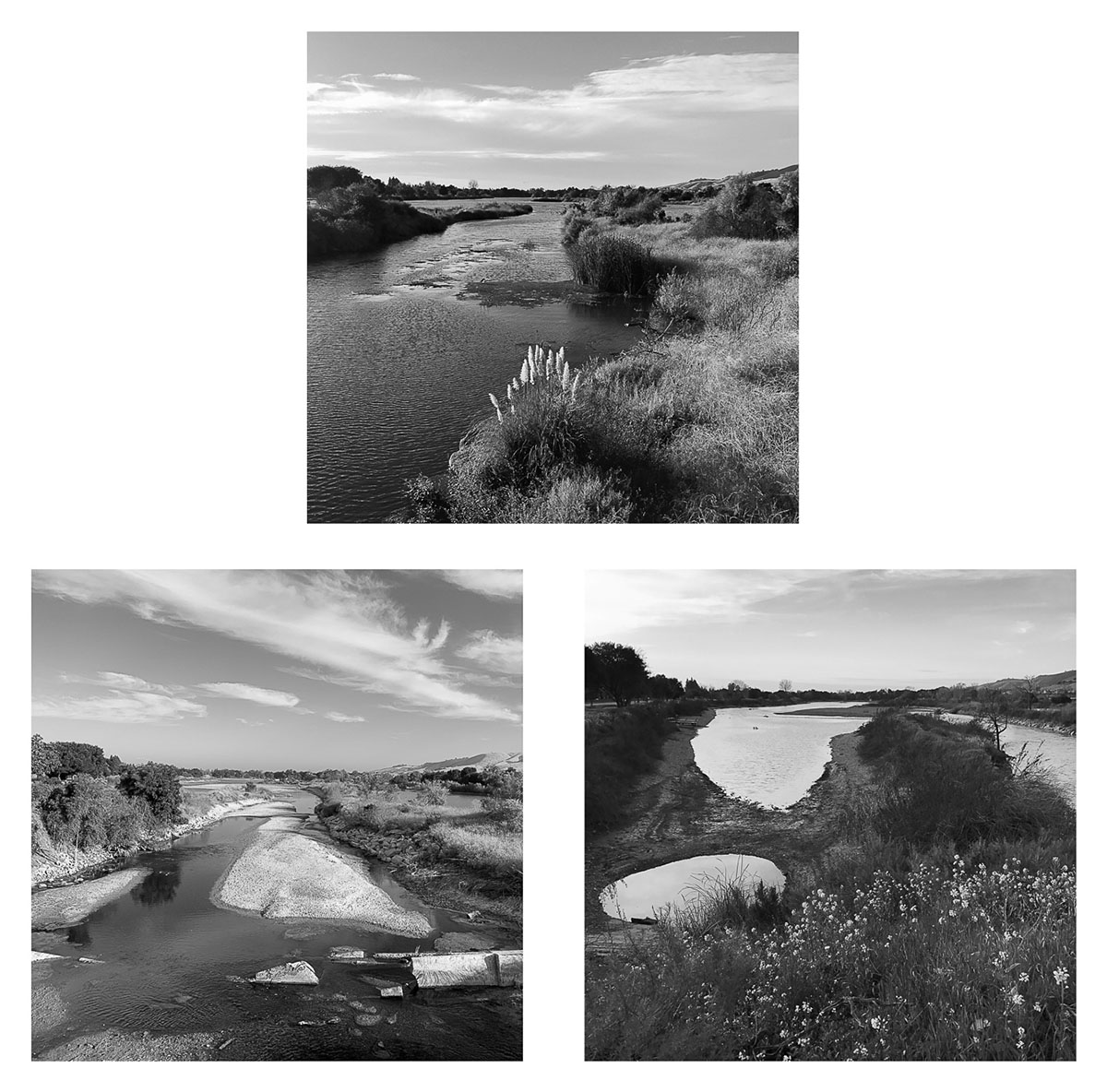
(click on image to enlarge)
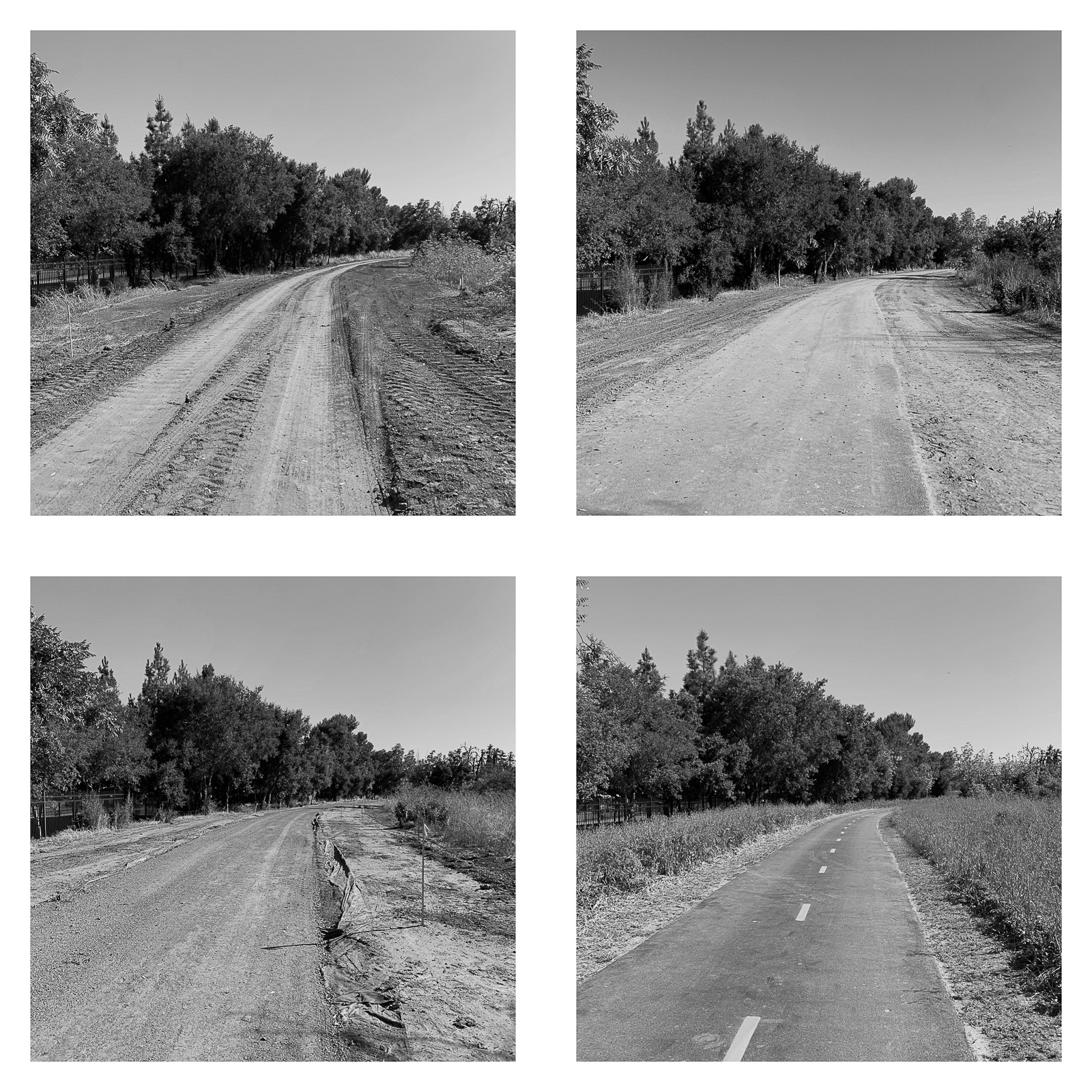
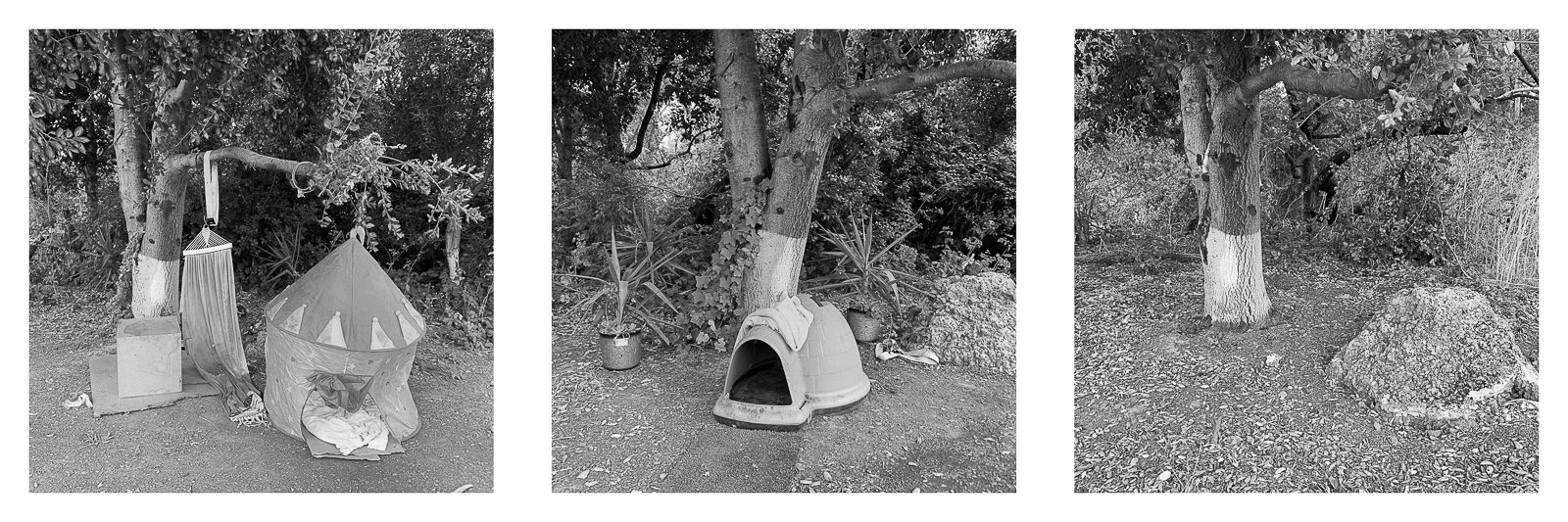
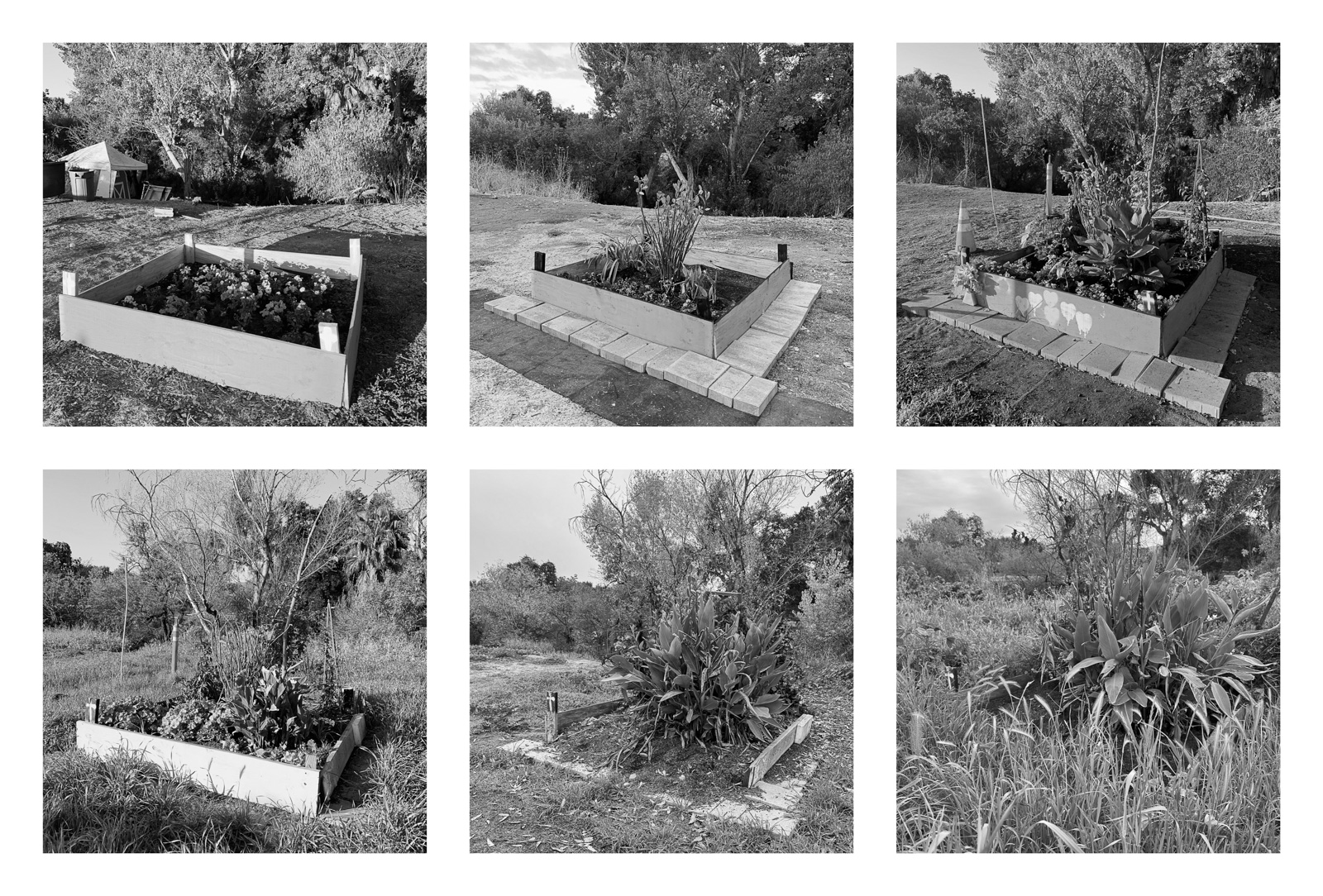
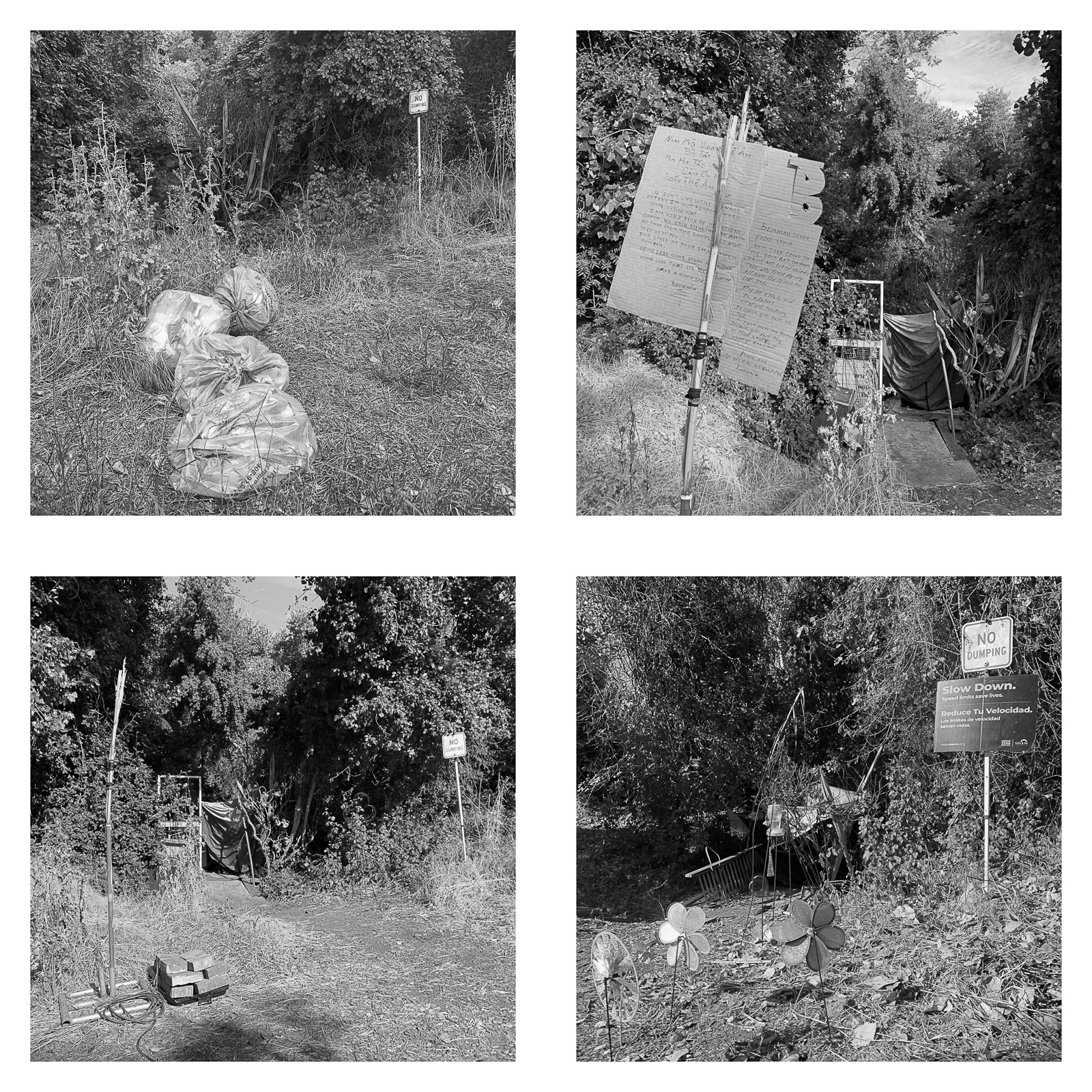
Ten grids from The Trail are at the end of this post.
For single photographs, see
a previous post
From Single Images to Sequences
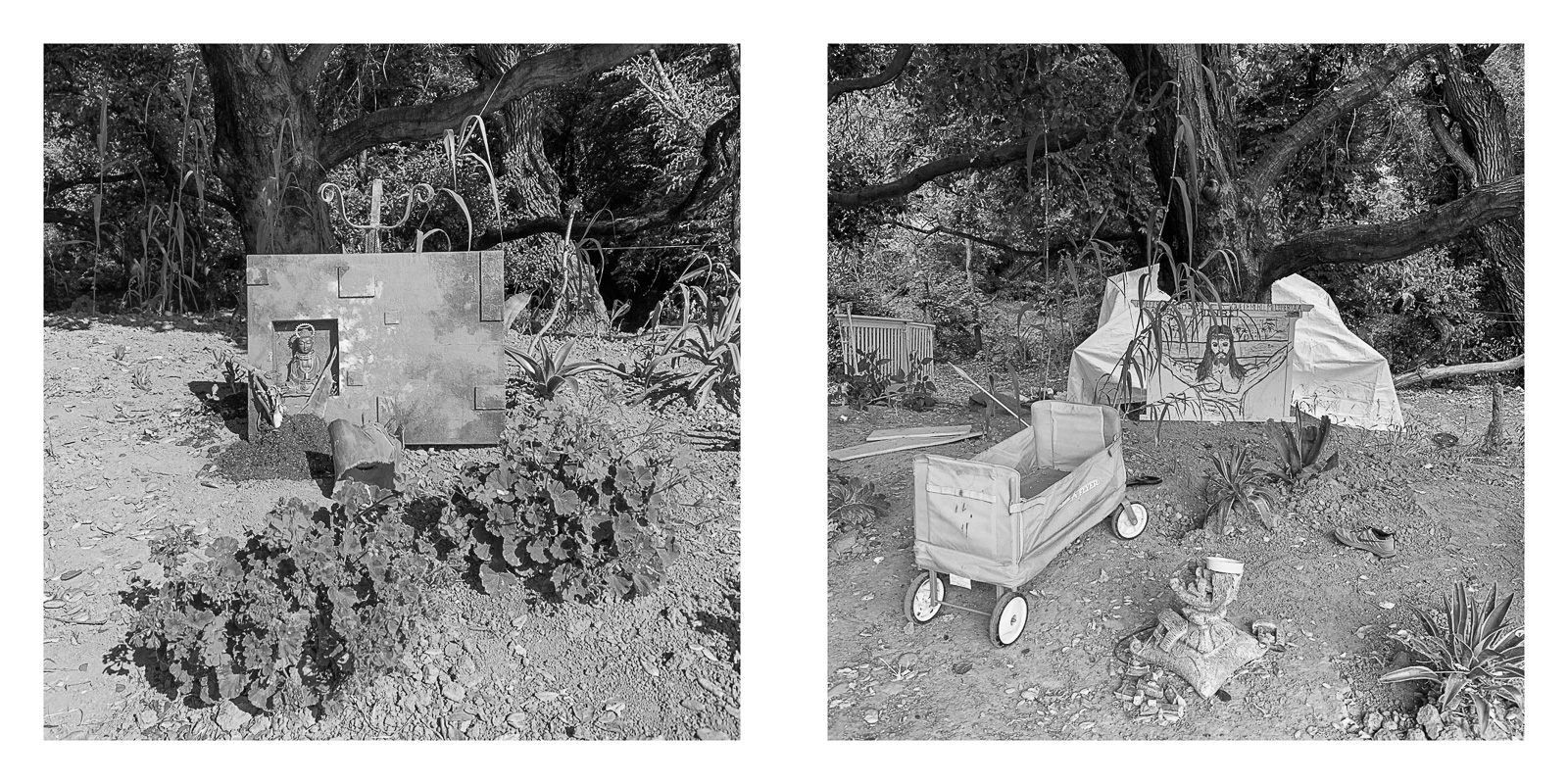
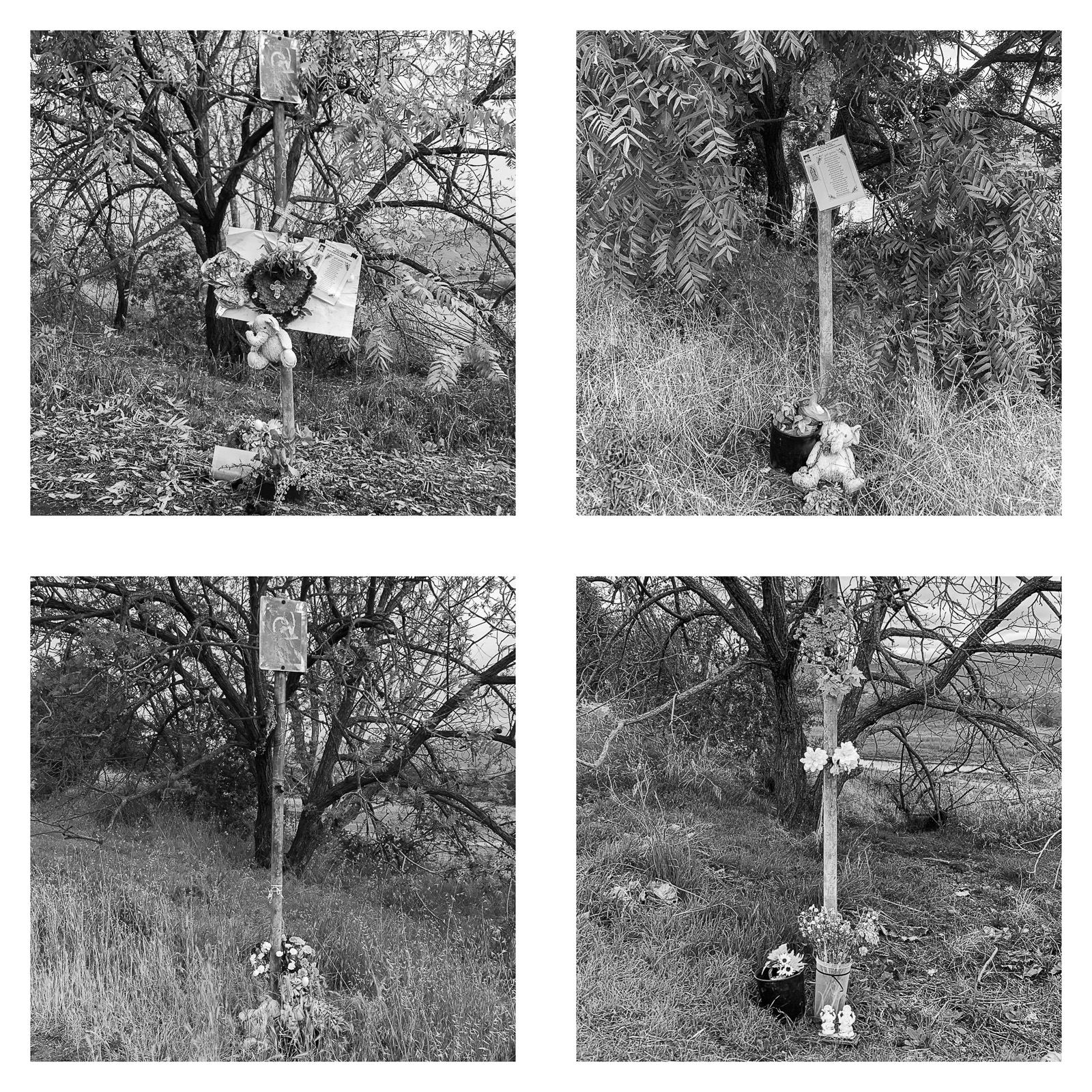
For much of the project, I photographed The Trail as single observations. Each photograph stood on its own, but each also belonged to a larger accumulation. The existence of a vast archive, however, meant that on some days, when chance was not cooperating, I struggled to find new subjects to photograph.Over time, I began to pay more attention to specific sites. I realized that changes in subjects I had already photographed could renew their interest. That shift changed the work. Rephotography made visible what a single image could only suggest: growth, weathering, care, neglect, construction, disappearance, and return. Grids became a way to hold those changes together without forcing them into a single decisive moment. A memorial gains flowers, then loses them. Paper curls and fades. Stuffed animals weather. A flower bed is planted, grows, declines, and returns in altered form. Delicate and ephemeral draperies of mud cover reeds as water disappears. A doghouse appears under a tree, then the place around it changes. Seen once, these details might seem incidental. Seen again, they become evidence. Seen in a grid, they become time.
Photography fixes a moment. Rephotography unsettles that fixity. Each image says: this was here. The grid says: this did not stay the same. A single image describes a scene. A sequence shows that the scene has a life. The individual photograph can isolate; the grid relates. It allows time to enter not as nostalgia, but as structure.
Different Clocks
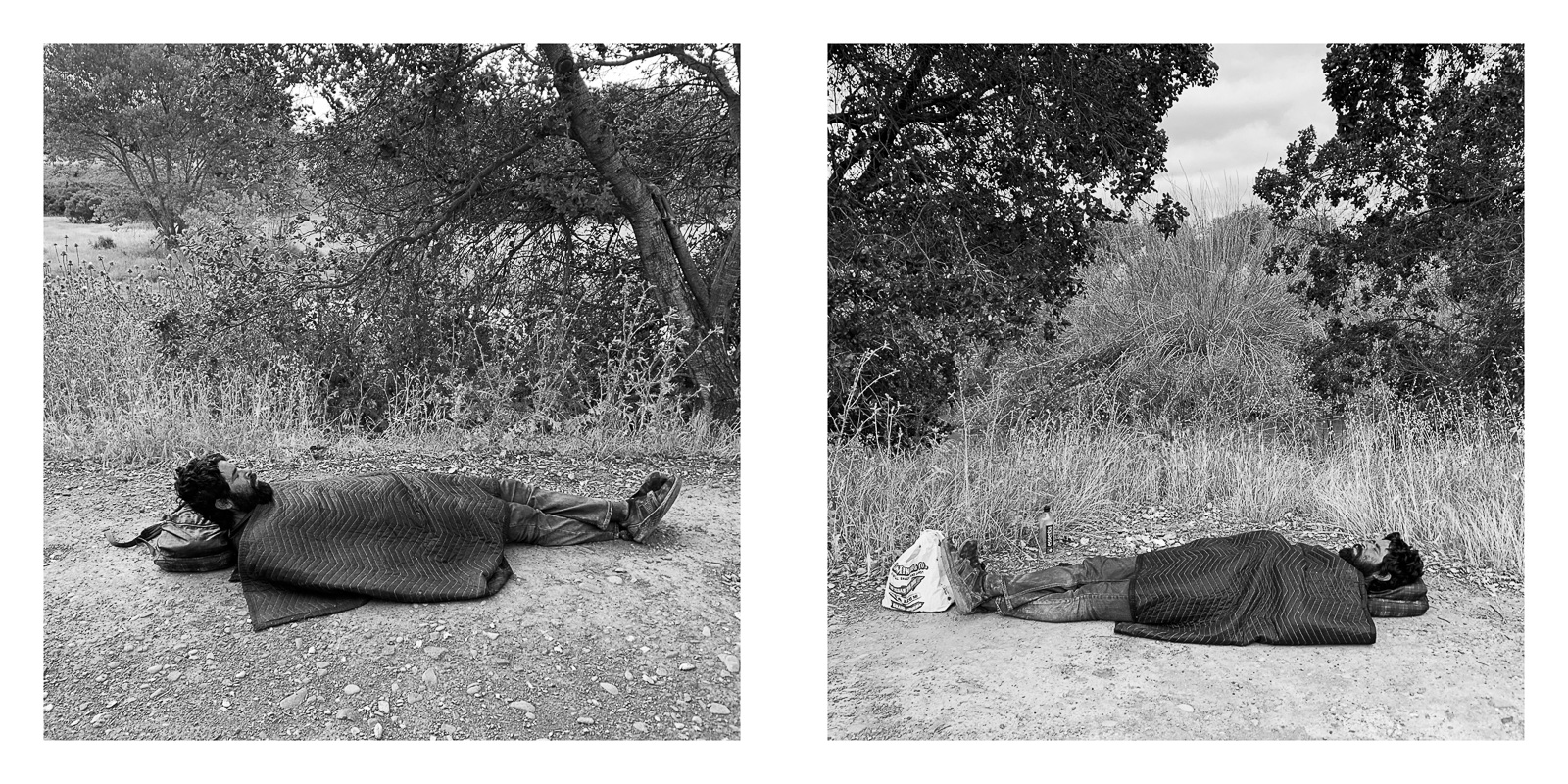
The Trail contains different kinds of time at once. There is the time of nature, slow, adaptive, and recurring. There is the everyday time of human activity: repeated acts of use and survival. There is the time of someone sleeping beside the trail, wrapped in a blanket, occupying a place designed for movement rather than rest. There is the time of someone pushing belongings, tending plants, making shelter, or marking a threshold at the edge of public space. Homelessness and clearance also introduce emergency time: crisis, deadline, countdown. For unhoused residents, time may be measured by the next notice or the next sweep. There is also the recreational time of runners, cyclists, families, and dog walkers.The same corridor holds all of these clocks. It is a contested space, but the photographs do not need to stage a confrontation. The tension is already present in the different ways time is spent there.
Seasonal and Cyclical Time
The creek is governed by natural time, visible both in short seasonal shifts and in longer cycles of erosion, growth, flood, and drought. It carries geological time as well: a watercourse shaping banks and slowly rearranging the corridor through flow and sediment. Rephotography makes those forces visible: the repeated frame lets water and vegetation register as active agents rather than background.But in The Trail, natural time is not pastoral comfort. Vegetation can shelter or conceal. Flooding can sustain the creek corridor while threatening those who live near it. The same place shifts from open to obscured, from dry to flooded, from bare to overgrown. Ecology and human presence are inseparable here: restoration, recreation, habitat, and habitation occupy the same narrow strip. Natural cycles reveal beauty, but also vulnerability.
Traces, Presence, and Care
For years, I photographed traces. Once people entered the frame, the project became clearer, changing from a study of overlooked land into a portrait of use. The rephotographic sequences extend the recognition that the land was never just scenery. They show that even when people are absent from the frame, their actions remain visible. Many of the sequences are about care. A memorial is maintained. A flower bed is planted. A religious image is placed near a shelter. A dog is given a small house. A camp entrance is arranged with signs, ornaments, barriers, paths, and objects that turn a margin into a place. These gestures are modest, but they resist the idea that the trail is merely public infrastructure or an ecological corridor. They show people making place, and the sequences clarify that care is not a single gesture.Time is what makes the trail legible. It becomes a record of movement, growth, care, construction, habitation, disappearance, and renewal. The grids make one aspect of that time explicit: they show what changed because I kept coming back. But they are not the whole project. In this first phase of The Trail, the lived experience of the corridor still depends largely on the fluidity of single photographs: encounters, traces, gestures, bodies, animals, weather, light, and the unstable coexistence of different lives along the same path. The movement from single images to grids therefore does not replace the earlier work. It extends it. Rephotography gives structure to duration, while the single frame preserves the immediacy of passing through the trail and noticing what might not be there again. In The Trail, time is not background. It is the condition of seeing.
(click on images to enlarge)
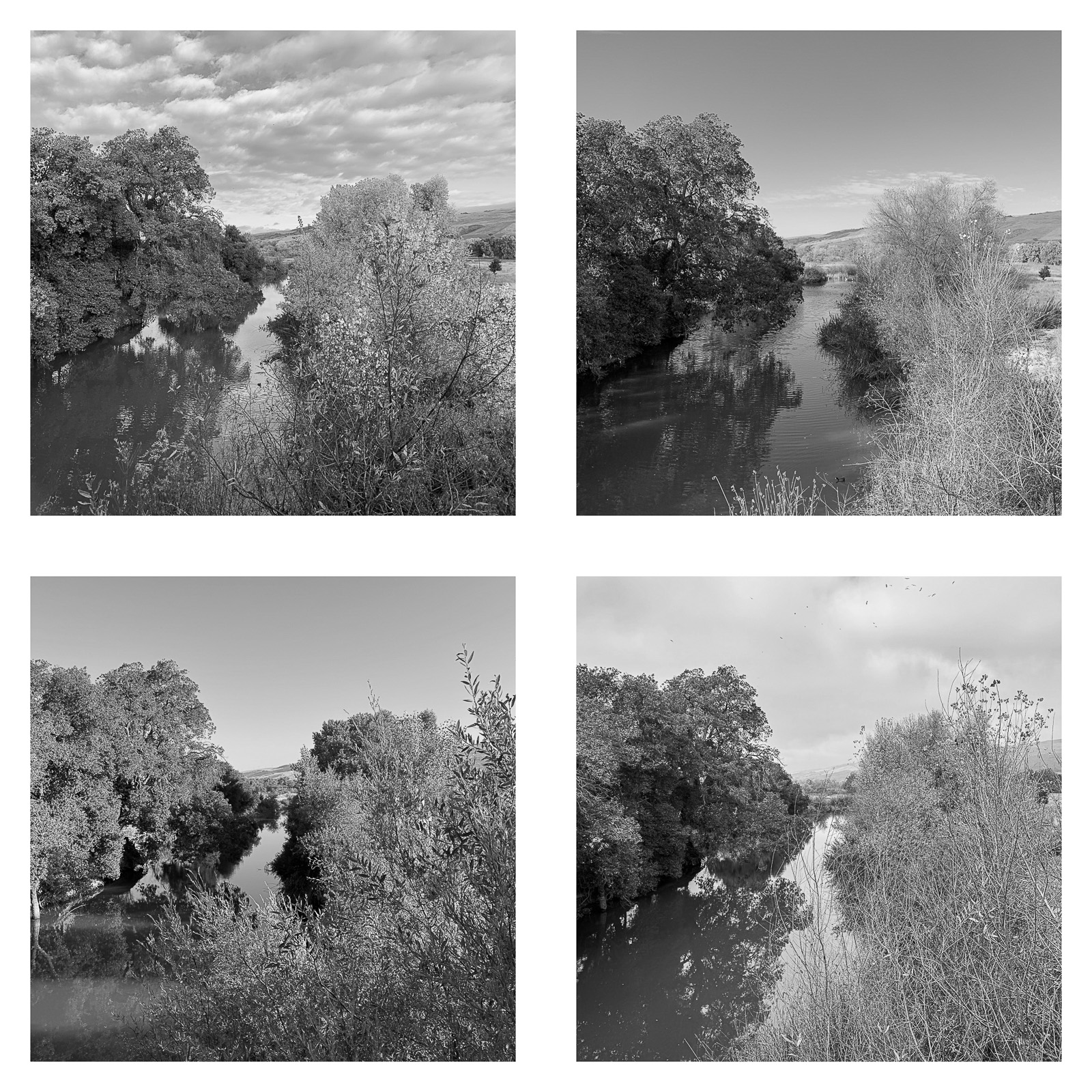
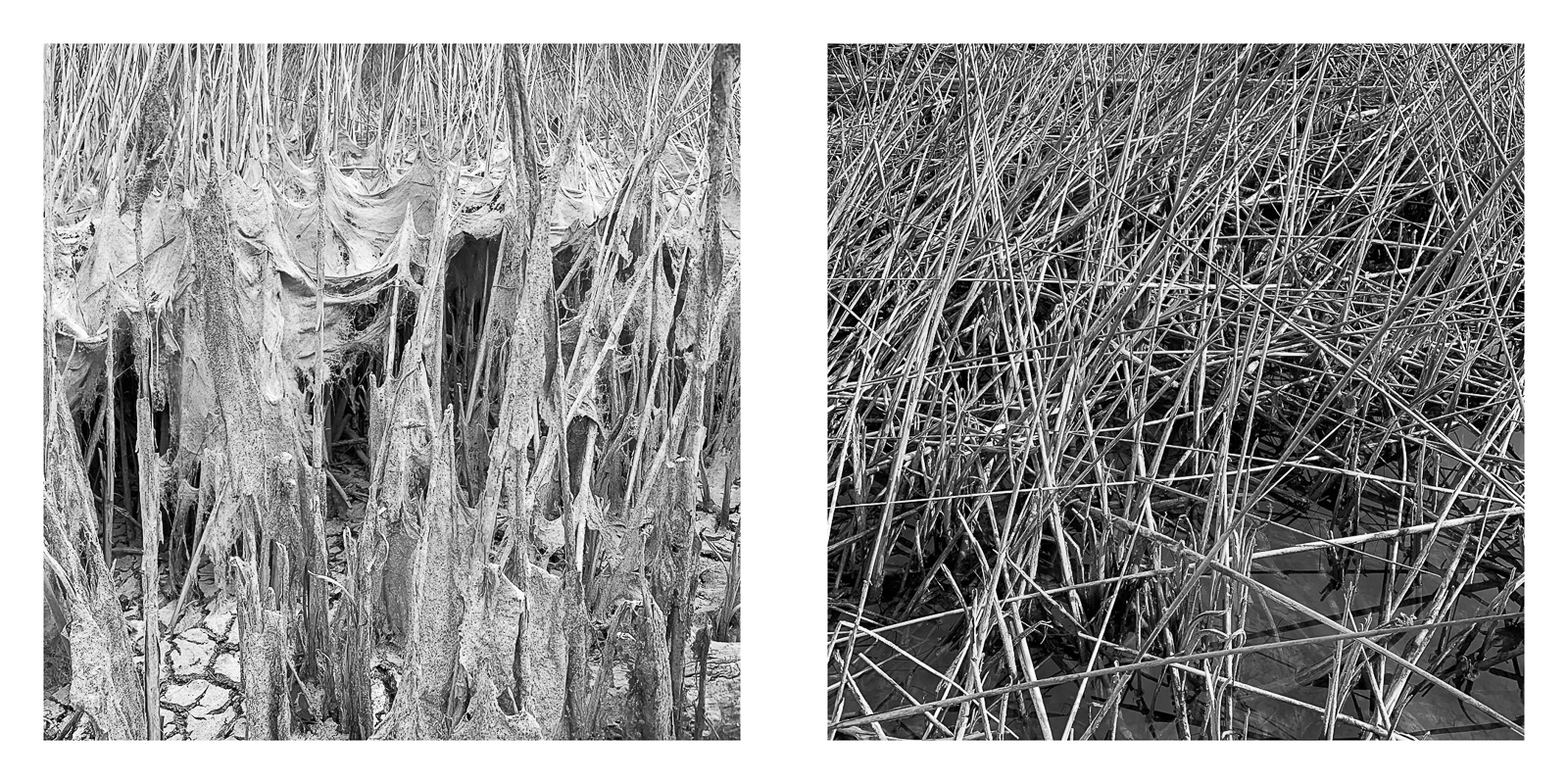
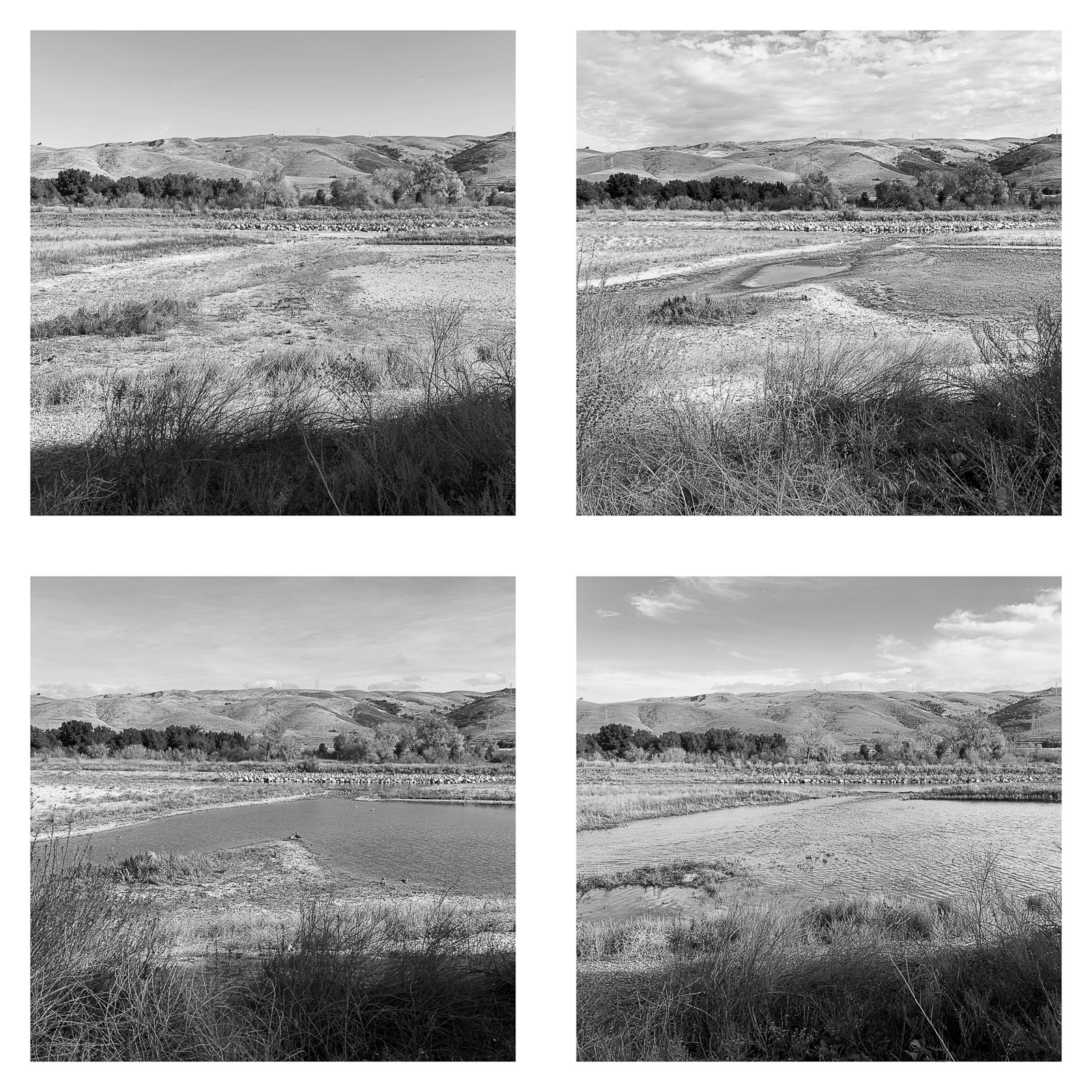




Those pictures from a single vantage point over a period of time are so powerful. I find the variation in the number of images shown for each sequence to be a really intriguing approach – how many photos to tell this contained story and what is the relationship between two photos of something vs. more.